Cybersecurity Reference > Glossary
What are Counter Unmanned Aircraft Systems (C-UAS)?





These systems have become increasingly important as unmanned aerial vehicles (UAVs) pose growing security threats to critical infrastructure, military installations, airports, and public events.
C-UAS solutions typically employ multiple detection methods including radar, radio frequency analyzers, electro-optical sensors, and acoustic detection to identify approaching drones. Once a threat is detected, these systems can deploy various countermeasures such as signal jamming to disrupt drone communications, directed energy weapons to disable electronics, kinetic interceptors, or cyber attacks to take control of the drone.
The cybersecurity dimension of C-UAS involves both protecting the counter-drone systems themselves from compromise and using cyber techniques as countermeasures. Attackers may attempt to hack C-UAS networks to disable defenses, while defenders can exploit vulnerabilities in drone software or communications protocols to neutralize threats. Modern C-UAS platforms require robust cybersecurity measures including encrypted communications, secure software updates, and network segmentation to prevent adversaries from compromising these critical defense systems.
Origin
The first C-UAS solutions were primarily military applications, often repurposing existing radar and electronic warfare systems. By 2017, commercial C-UAS offerings appeared for airports, stadiums, and industrial facilities. The technology evolved from simple RF jamming to sophisticated layered systems combining multiple detection modalities with precise countermeasures.
Regulatory frameworks lagged behind the technology—laws governing drone interception, especially in civilian airspace, remained ambiguous in most jurisdictions. The cybersecurity integration came later, as security teams recognized that both the drones and the systems defending against them were vulnerable to digital attacks, requiring protection at the network and software levels.
Why It Matters
The cybersecurity challenges multiply as C-UAS systems themselves become targets. An attacker who compromises a C-UAS network could blind an organization's defenses or trigger false positives that disrupt operations. The systems often integrate with broader security infrastructure, creating potential pivot points into other networks. State-sponsored actors have shown interest in drone capabilities for espionage and sabotage, raising the stakes for government and defense installations.
Meanwhile, the regulatory landscape remains fractured, with different jurisdictions imposing varying restrictions on what countermeasures are legal. Organizations must balance effective defense with compliance, often requiring legal review before deploying certain jamming or interception capabilities.
The Plurilock Advantage
We can assess your facility's drone vulnerabilities, evaluate C-UAS solutions, and ensure these systems integrate securely with your broader security architecture. Our operational technology security testing services extend to the specialized networks that often control C-UAS platforms, helping you defend the defenders.
.
Need Protection from Drone Threats?
Plurilock's counter-UAS solutions help detect, track, and neutralize unauthorized drone activities.
Get Counter-Drone Protection → Learn more →Downloadable References
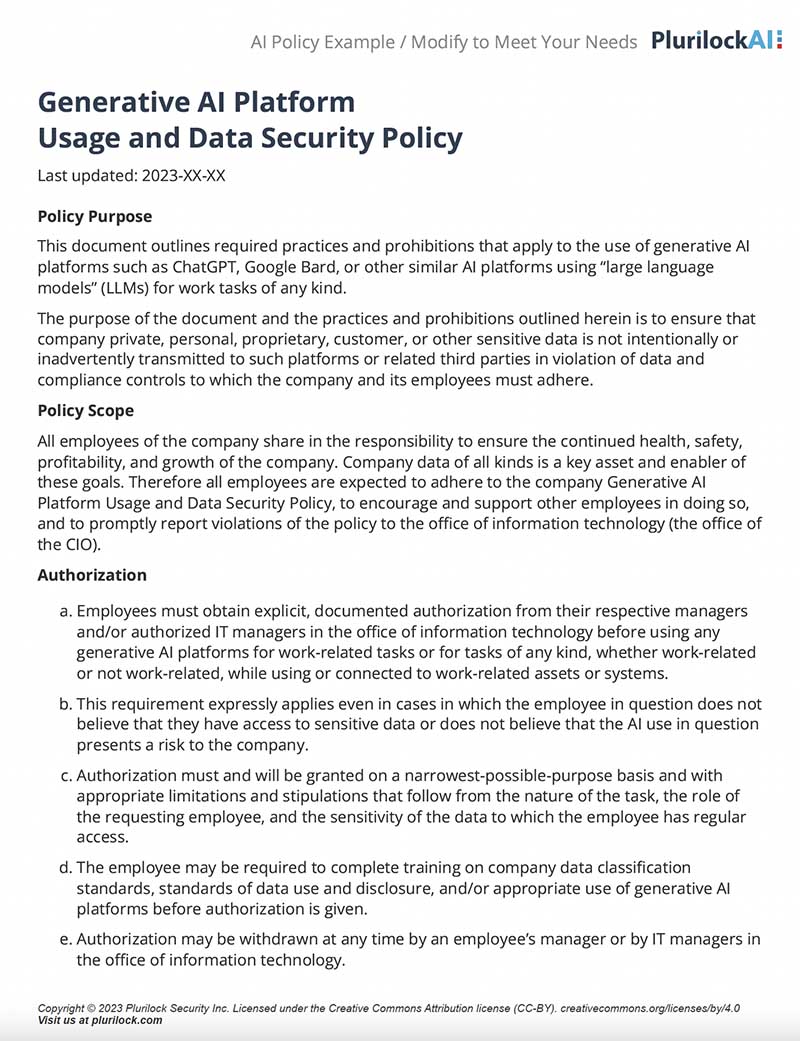
Sample Governance Policy for AI Use
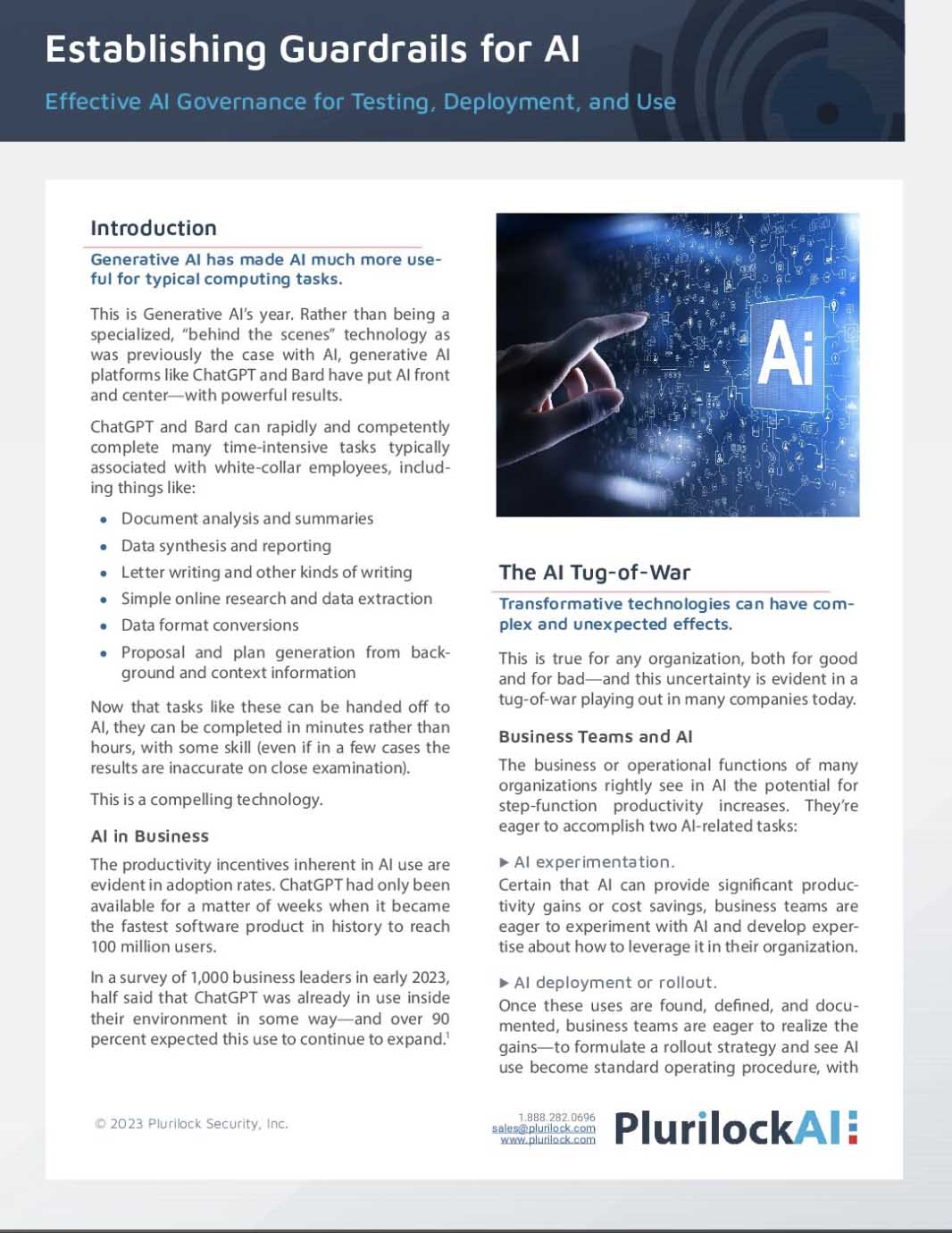
Establishing Guardrails for AI Whitepaper