Cybersecurity Reference > Glossary
What is an Exploit Kit?





These malicious frameworks are typically hosted on compromised websites and designed to identify and attack security flaws in visitors' systems without their knowledge. When a user visits an infected webpage, the exploit kit scans their browser, operating system, and installed plugins like Adobe Flash or Java for known vulnerabilities. If weaknesses are detected, the kit automatically deploys the appropriate exploit code to compromise the system, often installing malware such as ransomware, banking trojans, or remote access tools.
Exploit kits operate through a landing page that fingerprints the victim's system, followed by an exploitation phase that delivers malicious payloads. Popular historical examples include Blackhole, Angler, and RIG exploit kits. These tools have democratized cybercrime by allowing less technically skilled criminals to launch sophisticated attacks. Protection strategies include keeping browsers and plugins updated, using reputable antivirus software, implementing web filtering solutions, and disabling unnecessary browser plugins. Organizations should also employ network monitoring to detect exploit kit traffic patterns and consider application whitelisting to prevent unauthorized code execution.
Origin
The exploit kit ecosystem flourished between 2012 and 2016, with dozens of competing kits targeting vulnerabilities in Adobe Flash, Java, and Internet Explorer. Angler, released around 2013, represented a technical peak with advanced evasion techniques and rapid incorporation of zero-day exploits. The business model was lucrative enough to support professional development teams who updated their products regularly and provided customer support to buyers.
The decline began around 2016 when law enforcement operations disrupted major kit operators and browser vendors improved automatic updating mechanisms. Adobe's decision to discontinue Flash Player removed one of the most exploited attack surfaces. While exploit kits haven't disappeared entirely, their prominence has diminished as attackers shifted toward phishing, credential theft, and supply chain compromises that often prove more reliable than exploiting browser vulnerabilities.
Why It Matters
Modern variants still circulate, particularly targeting regions with older software deployments or industries slower to update systems. Some kits have adapted by incorporating exploits for newer technologies or targeting specific vertical markets. The fundamental problem they exploit—unpatched software—hasn't gone away. Organizations running legacy systems or struggling with patch management remain vulnerable to both traditional exploit kits and their conceptual descendants.
The shift away from browser-based exploit kits doesn't mean the underlying vulnerabilities disappeared. Attackers simply moved to different vectors. Today's threats often combine social engineering with technical exploits in ways that bypass browser security improvements. The lesson from exploit kits is that defensive approaches need to address both human and technical weaknesses, since attackers will always find the path of least resistance.
The Plurilock Advantage
Our team includes former intelligence professionals who understand how criminal ecosystems evolve and can help you stay ahead of emerging threats.
We deliver actionable findings quickly, often mobilizing in days rather than weeks, so you can patch vulnerabilities before they're exploited. Whether you need comprehensive security assessments or targeted testing of web applications and infrastructure, we provide the expertise to keep your systems secure.
.
Need Protection Against Exploit Kits?
Plurilock's threat detection solutions can identify and block sophisticated exploit kit attacks.
Get Threat Protection Now → Learn more →Downloadable References
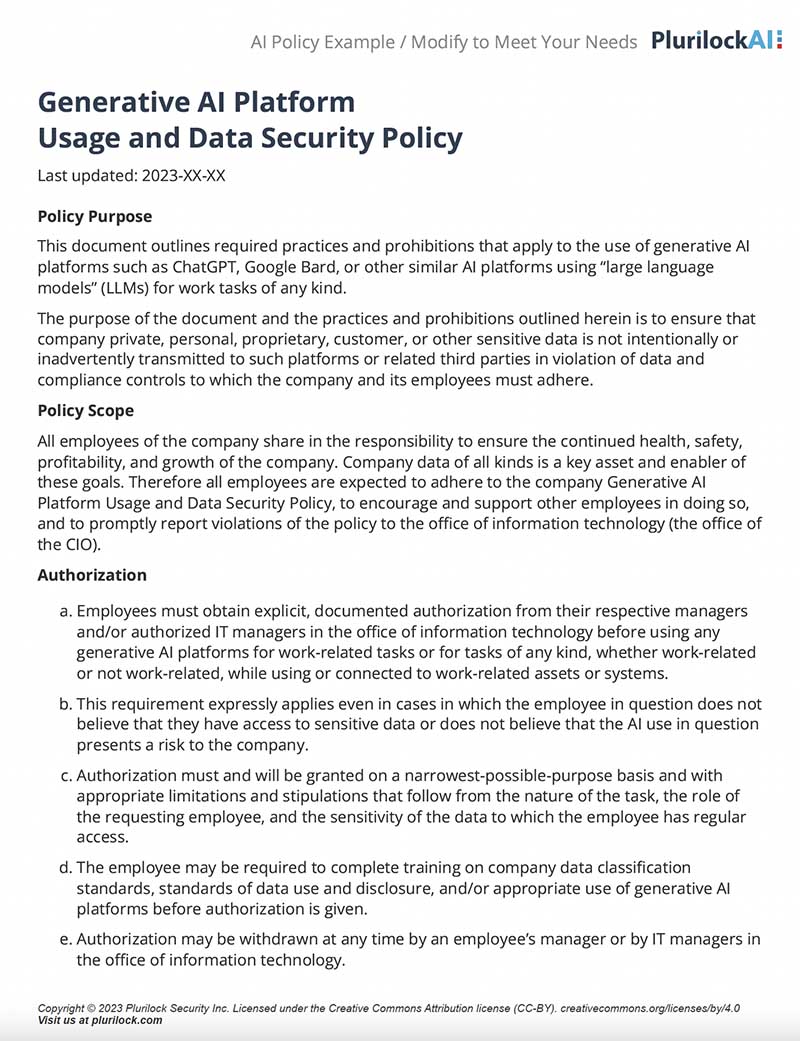
Sample Governance Policy for AI Use
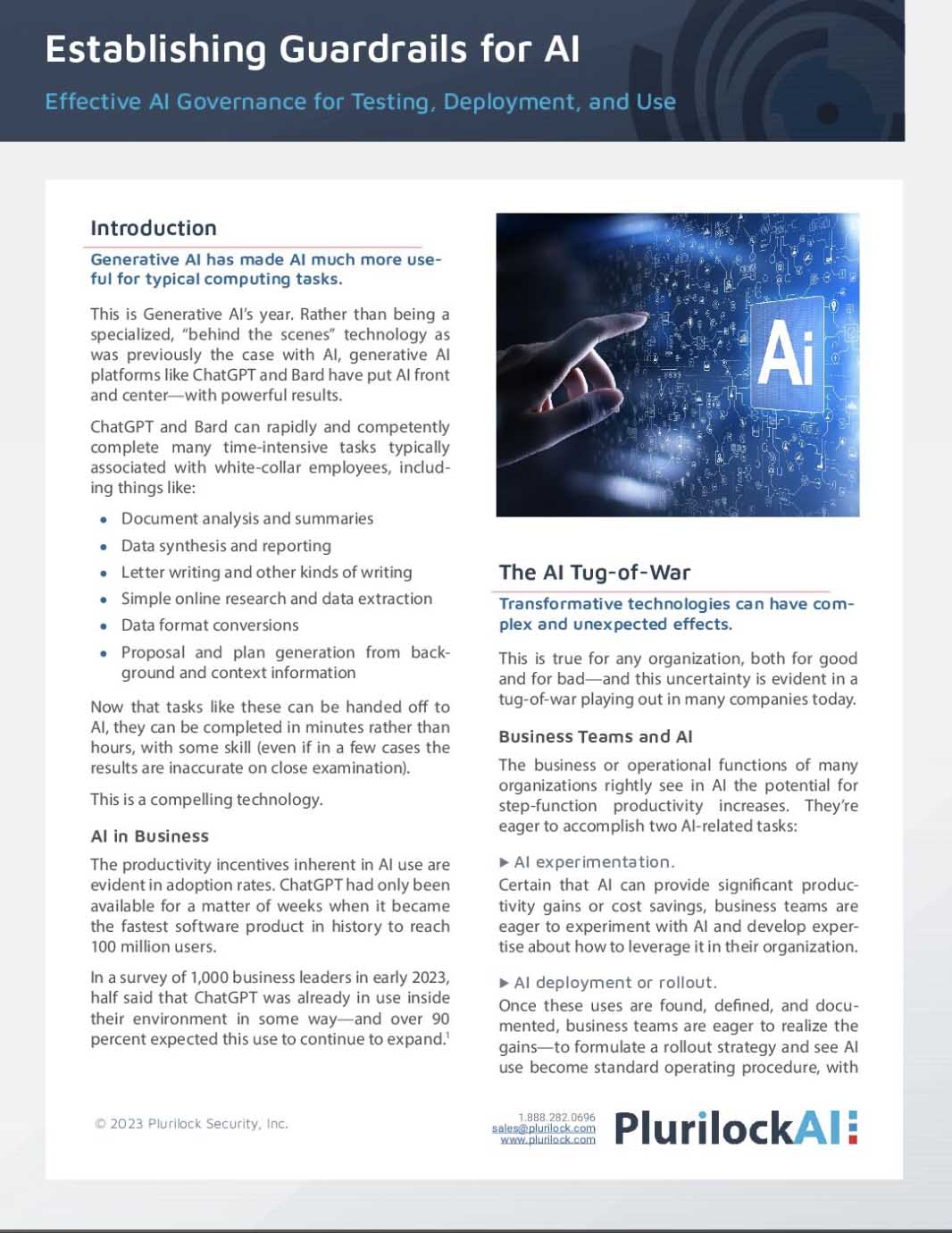
Establishing Guardrails for AI Whitepaper