In early February 2026, US software stocks shed roughly $1 trillion in market value over the course of a single week as investors reassessed what AI means for the traditional software business. The trigger wasn’t a single event but a cascading anxiety—fueled by AI capability announcements that demonstrated models performing tasks previously requiring expensive enterprise software (including Anthropic’s computer-use features, which signaled that AI agents could directly replace software-based workflows), and compounded by earnings disappointments from major enterprise software companies whose forward guidance failed to reassure a market hungry for AI-era clarity.
The selloff was broad. Legacy enterprise software, SaaS platforms, application developers—nearly everyone took a hit. Investors rotated capital toward companies perceived as AI beneficiaries and away from those seen as potential casualties.
It’s a fascinating market story. But from a cybersecurity perspective, the more interesting question isn’t about stock prices. It’s about what happens next—in real environments, at real organizations—when AI reshapes the software landscape this fast.
The Fear Is Real, But It’s Also Incomplete
The investor thesis driving the selloff is straightforward: if AI agents and models can replace functions that organizations currently pay software vendors to perform, then the revenue base of traditional software companies is at risk. Why pay for a complex enterprise tool when an AI can do the same job faster and cheaper?
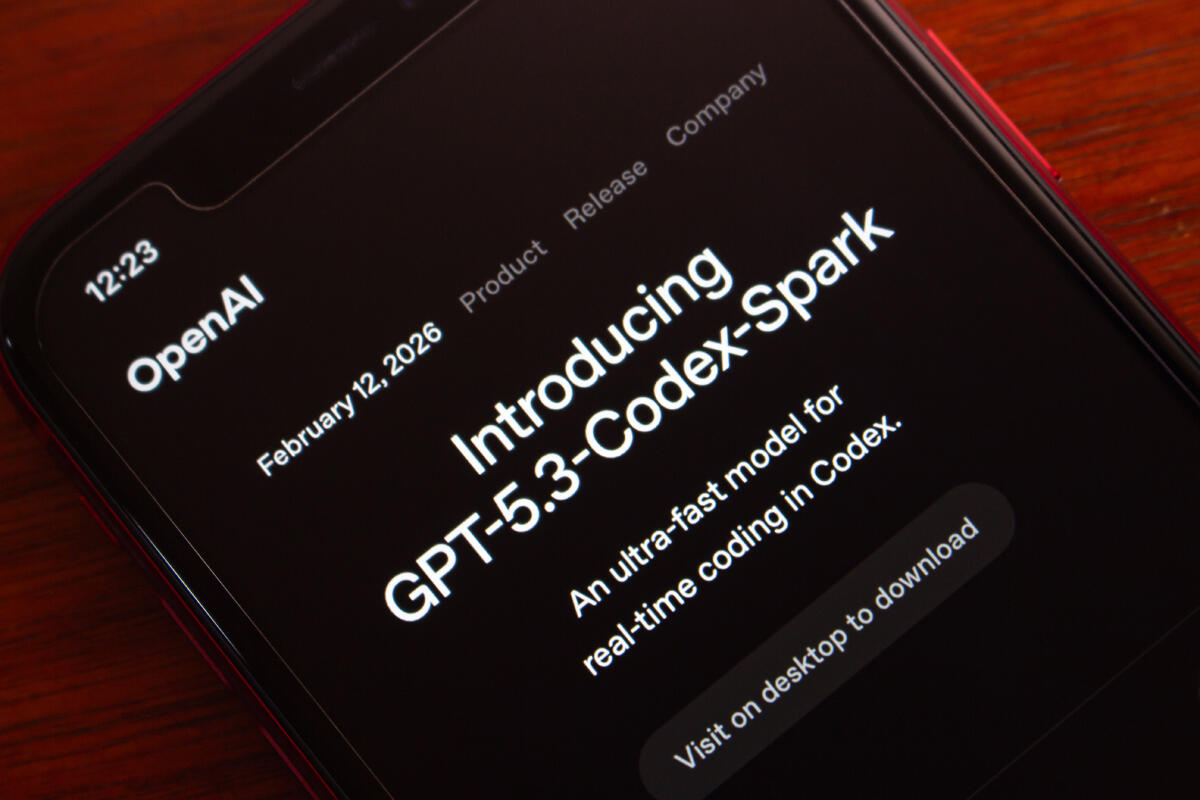
There’s truth in this. AI is already automating workflows in customer service, code generation, data analysis, and document processing that used to require dedicated software platforms. Organizations are experimenting with replacing point solutions with AI-driven alternatives. The disruption is genuine.
But here’s what the market narrative tends to miss: replacing software is not the same as replacing the need to secure software. In fact, it’s almost the opposite. Every AI model deployed, every agent integrated into a workflow, every legacy tool replaced by something newer and less battle-tested—each of these changes expands the attack surface.
Markets are focused on the disruption. The security consequences of that disruption deserve equal attention.
What Happens When Everyone Swaps Tools at Once
When organizations move fast to adopt AI—whether driven by competitive pressure, cost reduction, or genuine enthusiasm—security often lags behind. We see this pattern repeatedly. The technology arrives, adoption accelerates, and security teams are left scrambling to understand and secure something that was deployed before they were consulted.
The current environment amplifies this risk in several specific ways:
- Shadow AI is already everywhere. Just as shadow IT proliferated when cloud adoption took off, shadow AI is now a serious concern. A 2024 Microsoft survey found that 78% of AI users were bringing their own AI tools to work—most without IT’s knowledge or approval. When an organization simultaneously faces pressure to cut costs on traditional software and adopt AI alternatives, the incentive for unsanctioned adoption only grows.
- New tools mean new integration points. Replacing a mature enterprise application with an AI-driven alternative doesn’t just swap one tool for another. It changes the integration architecture—new APIs, new data flows, new authentication requirements, new places where things can go wrong. Each integration point is a potential vulnerability.
- Immature tools carry immature security. Established enterprise software has had years—sometimes decades—of security hardening, penetration testing, and patching. New AI-native tools, even brilliant ones, haven’t had that runway. Their security postures are often less developed, their vulnerability histories are shorter (which doesn’t mean fewer vulnerabilities—it means fewer discovered ones), and their incident response playbooks may not exist yet.
- AI-specific attack vectors are still poorly understood. Prompt injection, model poisoning, data exfiltration through model interactions, adversarial inputs—these are real attack categories that most security teams haven’t yet built detection and response capabilities for. Moving to AI-driven tools without addressing these vectors is moving fast and leaving the door open.

Cybersecurity Isn’t Getting Disrupted—It’s Getting More Necessary
One of the more interesting dynamics in the selloff is that cybersecurity stocks appeared to hold up better than the broader software sector. The investment case for cybersecurity in an AI-disrupted landscape rests on a straightforward premise: the more AI gets woven into enterprise infrastructure, the more critical it becomes to secure AI deployments, monitor AI-specific threats, and maintain governance over rapidly evolving environments. Some investment analysts have explicitly recommended cybersecurity stocks as AI-related demand plays, and the logic holds up.
AI doesn’t reduce the need for cybersecurity. It changes the shape of it—and in most cases, makes it more urgent.
Organizations that cut cybersecurity spending because their overall software budgets are under pressure are making a dangerous bet. The disruption that investors are worried about for software companies is precisely the kind of rapid environmental change that attackers love to exploit.
What Leaders Should Be Doing Right Now
If you’re an IT or security leader watching this market volatility and wondering what it means for your organization, here are the practical takeaways:
- Audit your AI exposure. Before you can secure AI in your environment, you need to know where it is. That includes sanctioned deployments, shadow AI usage, and any AI capabilities embedded in tools your teams are already using. A thorough assessment—something like a cloud visibility and assurance assessment extended to cover AI—is a solid starting point.
- Don’t let cost pressure override security hygiene. If your organization is being pushed to replace traditional tools with AI alternatives for cost savings, insist that security evaluation is part of the migration process, not an afterthought. The cheapest tool that gets you breached is the most expensive one you’ll ever buy.
- Invest in AI-specific security capabilities. This means prompt injection testing, AI red teaming, and governance frameworks for model deployment. These are still emerging disciplines, but organizations that build these capabilities now will be far better positioned than those that wait.
- Simplify rather than accumulate. Periods of rapid technology change tend to produce messy, sprawling environments with too many tools from too many vendors. Resist this. Every tool you add is a tool you have to secure. Focus on doing more with fewer, well-integrated solutions rather than piling on new ones.
- Revisit your incident response plans. If your environment is changing—new AI tools, retired legacy systems, new integration architectures—your incident response plans need to reflect that. Plans built for last year’s environment won’t serve you in this year’s.
The Bigger Picture
Market selloffs come and go. The trillion-dollar headline will fade. But the underlying dynamic—AI reshaping what enterprise software looks like, how it’s deployed, and who provides it—is a structural shift, not a passing scare.
For cybersecurity professionals and the leaders who fund them, this is a moment that demands engagement, not retreat. The organizations that navigate this transition well will be the ones that treat security not as a line item to be cut alongside other software costs, but as the foundation that makes safe adoption of new technology possible in the first place.
The market is worried about which software companies will survive AI disruption. The better question for most organizations is whether their security posture will survive the disruption that’s already underway. ■
Key Takeaways
-
US software stocks lost roughly $1 trillion in a single week as investors repriced the sector on AI disruption fears—but the cybersecurity implications of this rapid transition matter more than the stock tickers
-
Replacing traditional software with AI alternatives expands the attack surface rather than shrinking it, introducing new APIs, data flows, integration points, and AI-specific attack vectors like prompt injection and model poisoning
-
Shadow AI is already pervasive—78% of AI users are bringing their own AI tools to work without IT approval—and cost pressure to replace legacy software with AI alternatives only accelerates unsanctioned adoption
-
New AI-native tools lack the years of security hardening that mature enterprise software has undergone, meaning fewer discovered vulnerabilities rather than fewer actual ones
-
Organizations must audit their full AI exposure, including sanctioned deployments, shadow usage, and embedded AI capabilities, before they can meaningfully secure their changing environments
-
Cutting cybersecurity spending alongside broader software budgets is a dangerous bet—rapid environmental change is precisely the condition that attackers exploit most effectively
Is your security posture keeping pace with AI-driven change in your environment? Plurilock’s AI Risk Assessment Services help organizations discover shadow AI, evaluate AI-specific attack vectors, and build governance frameworks that make safe adoption possible—before attackers exploit the gaps that rapid transition leaves behind. Contact us to start your assessment.