

Key Points
- Simulates real-world attacks targeting human psychology rather than technical systems
- Tests employee awareness and response to phishing, pretexting, and manipulation tactics
- Identifies organizational weak points in security awareness and training programs
- Provides measurable data on human risk factors across different departments and roles
- Enables targeted remediation through customized training based on actual vulnerabilities discovered
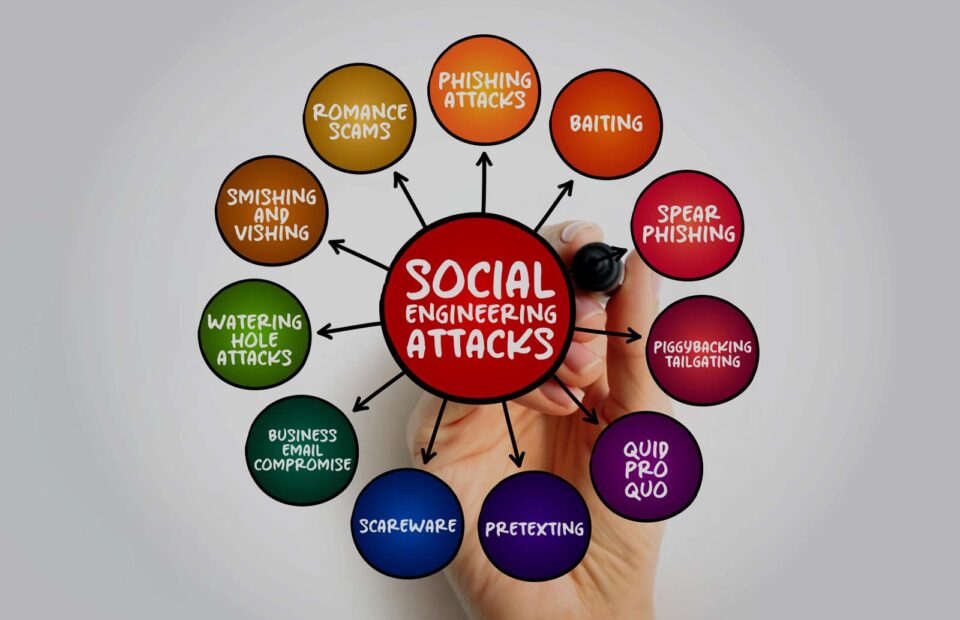
Social engineering attacks leverage human traits like sociability, trust, and habit to gain illicit access to systems or data.
Quick Read
Social engineering testing represents one of the most critical yet often overlooked components of a comprehensive cybersecurity strategy. While organizations invest heavily in firewalls, antivirus software, and encryption, the human element remains the weakest link in most security chains. Social engineering testing addresses this vulnerability by simulating the same psychological manipulation tactics that real attackers use to bypass technical defenses.
These controlled assessments typically involve phishing email campaigns, vishing (voice phishing) calls, physical security tests, and pretexting scenarios. Unlike real attacks, these tests are conducted by security professionals in a safe environment designed to educate rather than exploit. The goal is to identify which employees might inadvertently provide access to sensitive systems or information when faced with convincing social engineering attempts.
The results of social engineering testing provide invaluable insights into organizational risk. They reveal not just individual vulnerabilities, but patterns across departments, roles, and demographics. For instance, testing might show that accounting staff are particularly susceptible to invoice fraud schemes, while IT personnel might be more vulnerable to technical support scams. This granular data enables organizations to develop targeted training programs that address specific weaknesses rather than generic awareness campaigns.
Implementing regular social engineering testing creates a culture of security awareness that evolves with emerging threats. As attackers develop new tactics, testing scenarios can be updated to ensure employees remain vigilant against the latest social engineering trends. This proactive approach transforms potential victims into informed defenders who can recognize and report suspicious activities.
Further Reading
 Need Social Engineering Testing solutions?
We can help!
Plurilock offers a full line of industry-leading cybersecurity, technology, and services solutions for business and government.
Talk to us today.
Thanks for reaching out! A Plurilock representative will contact you shortly.
More to Know

Measurable Security Awareness Improvement
Regular social engineering testing creates measurable improvement in employee security awareness. Organizations typically see 70-90% reduction in successful simulated attacks after implementing structured testing and training programs, demonstrating clear return on security investment.

Human Vulnerabilities Require Targeted Defense
Social engineering attacks bypass 95% of technical security controls by targeting human psychology. Testing reveals these human vulnerabilities before real attackers exploit them, enabling proactive defense strategies that complement technical security measures.