Cybersecurity Reference > Glossary
What is Electronic Protected Health Information (ePHI or PHI)?





This includes everything from patient medical histories and test results to insurance claims and appointment records. What makes ePHI different from regular health data is its legal status under HIPAA—the Health Insurance Portability and Accountability Act—which imposes strict requirements on how it must be protected.
The scope is broader than most people realize. It's not just what's in your doctor's electronic health record system. It includes data in billing software, pharmacy databases, lab information systems, and even health apps that covered entities use. Email communications about patients, digital appointment calendars with patient names, and text messages containing health information all qualify.
From a cybersecurity perspective, ePHI represents a high-value target because it contains both the personal identifiers that enable identity theft and the sensitive medical details that can be used for blackmail, insurance fraud, or sold on dark web markets. Healthcare organizations face a difficult challenge: they need to keep this information accessible enough for legitimate clinical use while protecting it from increasingly sophisticated attacks.
Origin
The distinction between PHI and ePHI became important because electronic data requires different safeguards than paper files. You can lock a filing cabinet, but digital data can be copied in milliseconds and transmitted anywhere in the world.
The HITECH Act of 2009 strengthened ePHI protections considerably, introducing mandatory breach notifications and increasing penalties for violations. This legislation acknowledged that healthcare was moving fully into the digital age and that the original HIPAA framework needed reinforcement. Over time, the definition has had to stretch to accommodate new technologies—cloud storage, mobile health apps, wearable devices, and telehealth platforms—that the original drafters couldn't have anticipated.
Why It Matters
The sector faces particular vulnerability. Many healthcare organizations operate on thin margins and have historically underinvested in cybersecurity while simultaneously rushing to adopt new technologies for patient care. Legacy systems often run alongside modern cloud platforms, creating complex environments where data flows between incompatible systems that weren't designed with security as a priority. Ransomware attacks on hospitals can delay emergency care and force ambulance diversions, making ePHI protection quite literally a life-or-death issue.
The regulatory landscape adds another dimension. HIPAA violations can result in fines up to $1.5 million per year for each violation category, and state attorneys general have become increasingly aggressive in enforcement. Organizations must balance accessibility—doctors need quick access to patient data—with security requirements that often slow things down.
The Plurilock Advantage
We've helped organizations conduct Data Security Posture Assessments that identify exactly where ePHI lives and how it's protected—often uncovering exposures the organization didn't know existed.
Our approach combines technical implementation with practical workflow understanding, because security controls that disrupt clinical operations simply won't be used. Learn more about our data protection services.
.
Downloadable References
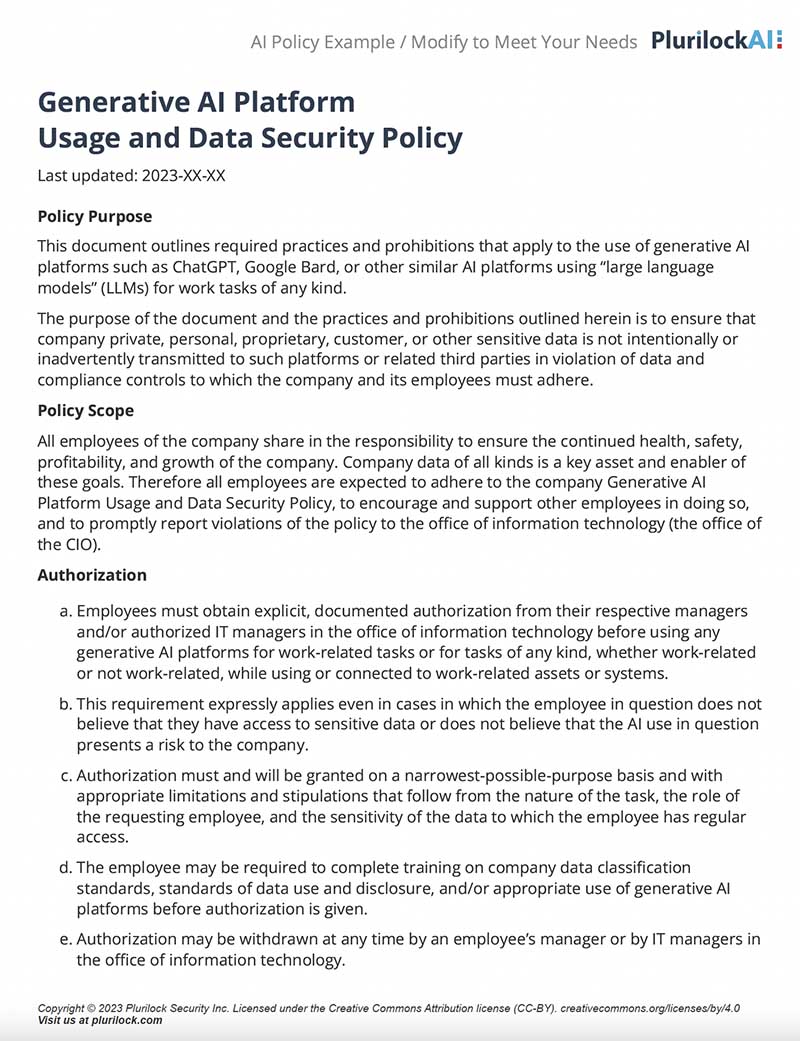
Sample Governance Policy for AI Use
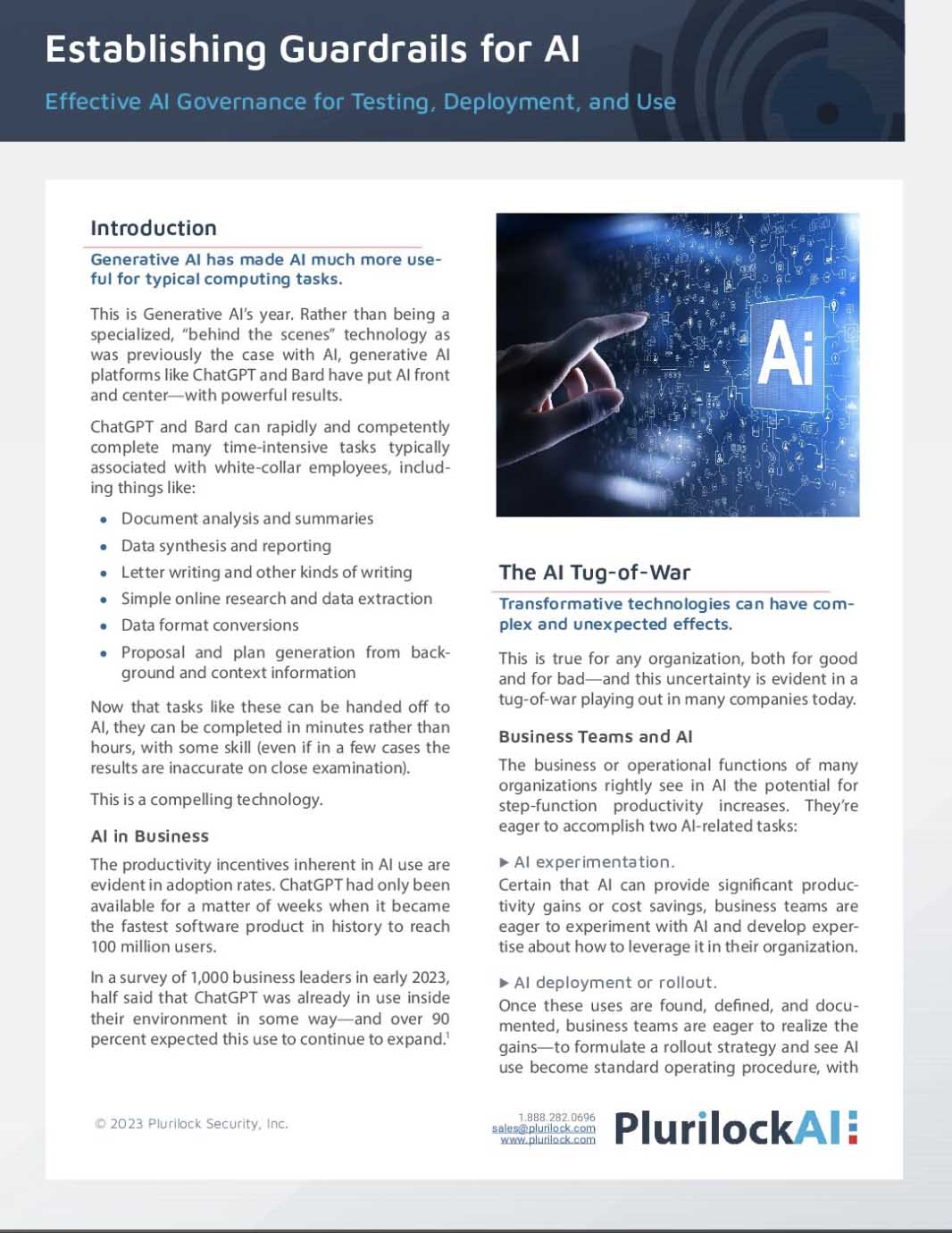
Establishing Guardrails for AI Whitepaper