Cybersecurity Reference > Glossary
What is a Misuse Case?





Unlike traditional use cases that outline legitimate user interactions with a system, misuse cases deliberately model harmful behaviors, vulnerabilities, and potential security breaches to help developers and security teams identify weaknesses before they can be exploited.
Misuse cases typically follow a structured format that includes the threat actor (who), their malicious goals (what), and the methods they might employ (how). For example, a misuse case might describe how an attacker could exploit a web application's login system through SQL injection or brute force attacks. These scenarios help security professionals think like adversaries and proactively design countermeasures.
The practice is particularly valuable in secure software development lifecycles, threat modeling exercises, and security architecture reviews. By systematically documenting potential attack vectors, organizations can prioritize security controls, conduct more effective penetration testing, and ensure that defensive measures address realistic threats rather than theoretical concerns.
Origin
Their work built on earlier threat modeling concepts but provided a more structured, accessible framework that development teams could integrate into existing processes. The notation borrowed from UML use case diagrams, making it familiar to software engineers while explicitly representing adversarial perspectives. This made security thinking more concrete and actionable during the design phase rather than treating it as an afterthought.
As secure development lifecycles gained traction in the 2000s, misuse cases became a standard tool for organizations building security into their development processes from the start. The approach has evolved alongside threat modeling methodologies and now frequently appears in security architecture reviews, risk assessments, and compliance frameworks that require documented consideration of potential attacks.
Why It Matters
The approach bridges the gap between security teams and developers by providing a shared language for discussing threats. When a misuse case describes how an attacker might abuse an API endpoint to exfiltrate customer data, developers immediately understand the problem in concrete terms rather than abstract security principles. This clarity accelerates remediation and helps teams prioritize which defenses to implement first.
Regulatory frameworks increasingly expect organizations to demonstrate that they've considered security throughout development. Documented misuse cases provide evidence of due diligence and support compliance efforts. They also inform more realistic penetration testing by identifying specific attack scenarios worth validating. Organizations that skip this step often discover vulnerabilities only after incidents occur, when the cost of failure includes not just remediation but also breach response, regulatory penalties, and reputational damage.
The Plurilock Advantage
Our application and API testing services put documented misuse cases to the test, uncovering whether theoretical vulnerabilities exist in practice. We mobilize quickly to assess your systems, provide specific remediation guidance, and help development teams build more secure software from the start.
.
Need Help with Misuse Case Analysis?
Plurilock's security experts can identify potential attack vectors and strengthen your defenses.
Get Expert Analysis → Learn more →Downloadable References
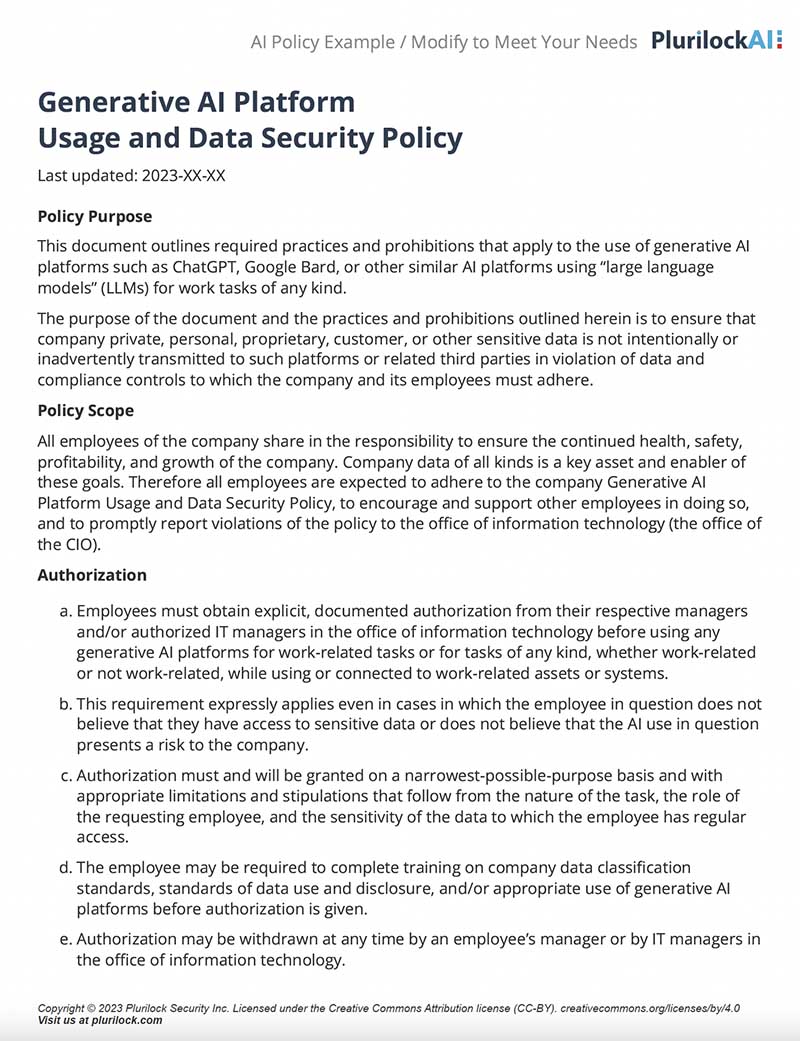
Sample Governance Policy for AI Use
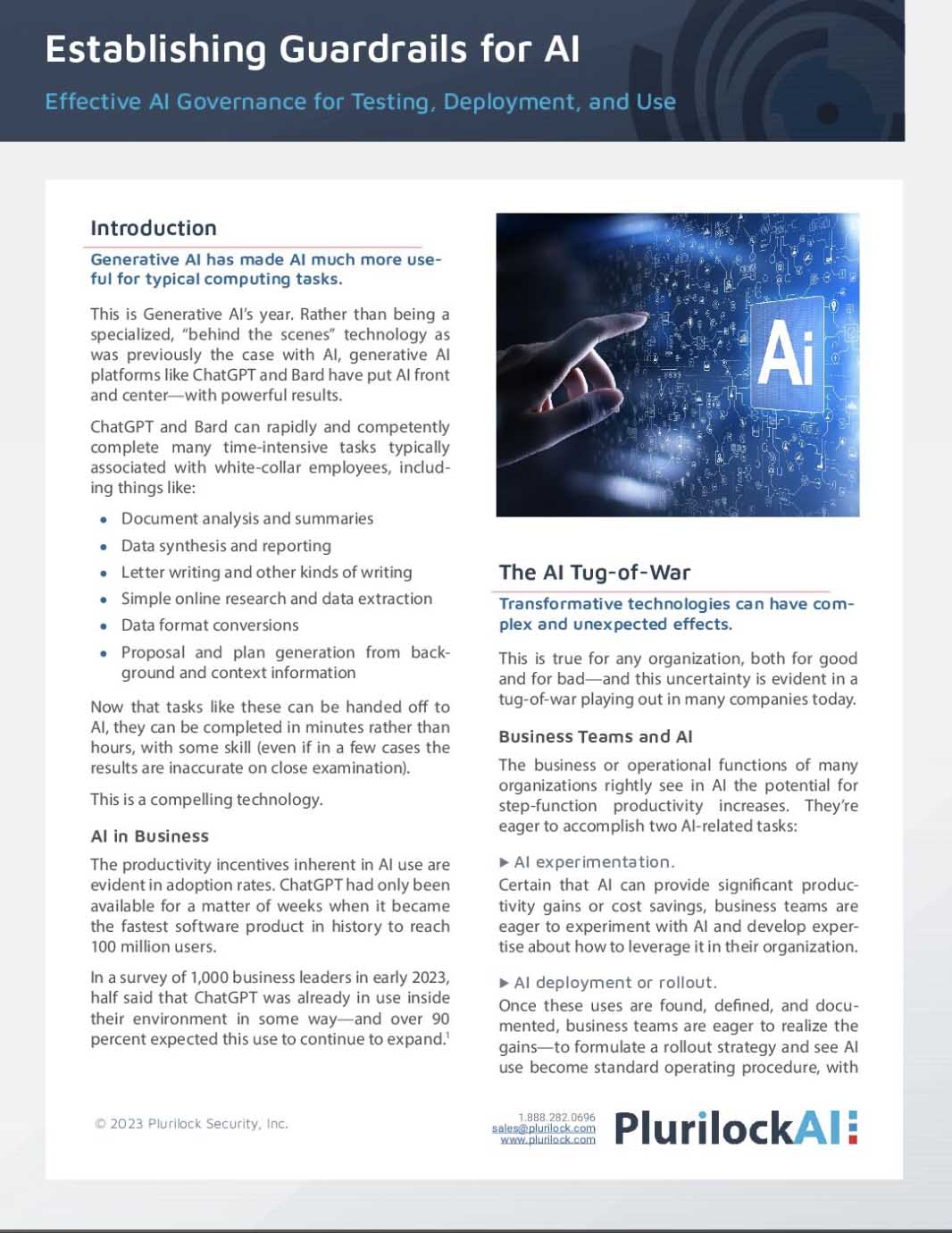
Establishing Guardrails for AI Whitepaper