Cybersecurity Reference > Glossary
What is Password Complexity?





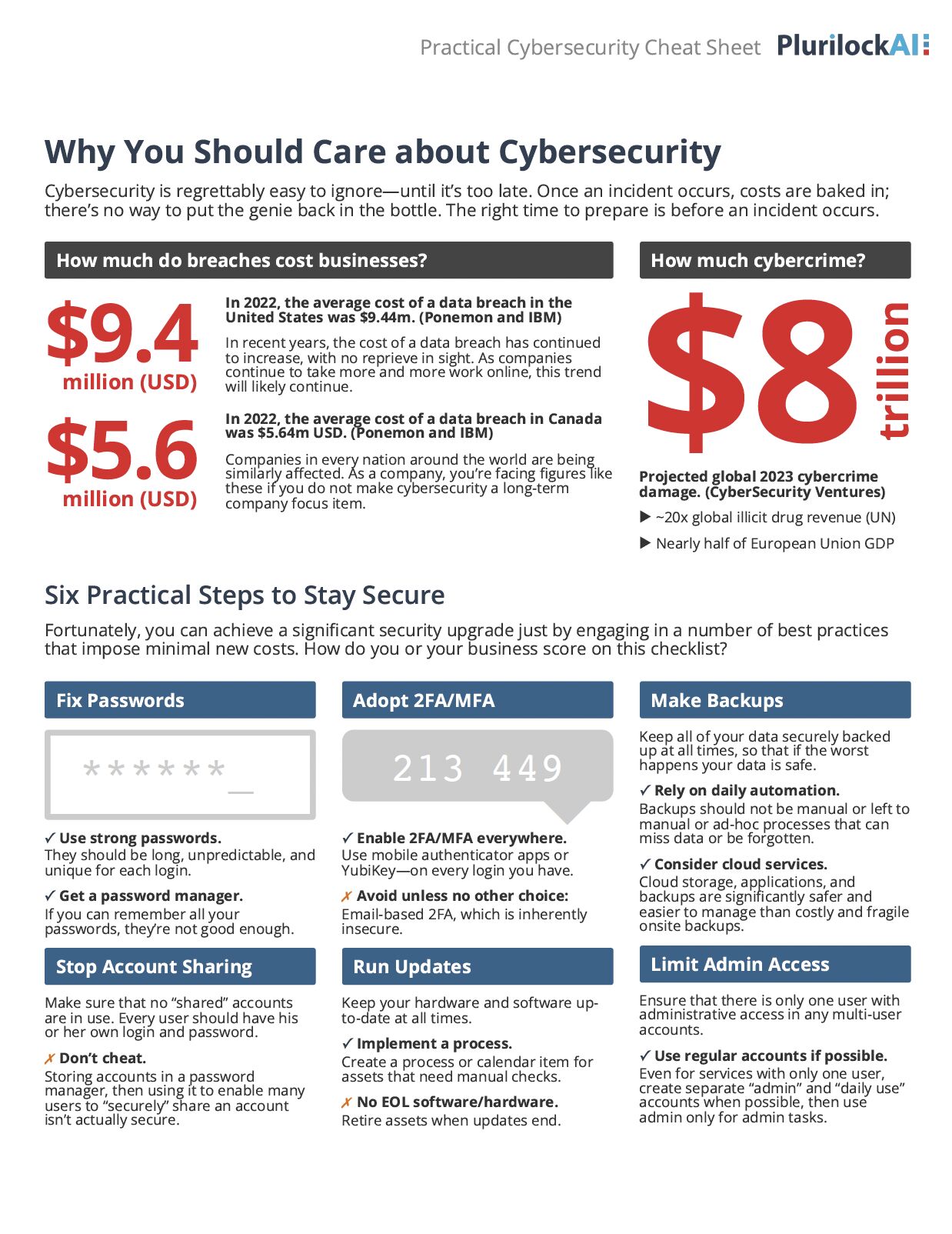
The term describes both the actual strength of a password and the rules organizations use to enforce stronger password choices—requirements like minimum length, special characters, numbers, and mixed case.
The math behind password complexity is straightforward: more possible combinations mean more time for an attacker to try them all. A six-character password using only lowercase letters offers about 308 million combinations. Adding uppercase letters, numbers, and symbols to an eight-character password pushes that to over 6 quadrillion combinations. That difference matters when facing brute-force attacks that systematically try every possibility.
But complexity rules often backfire. When forced to include special characters and numbers in specific positions, people create predictable patterns—"Password1!" being the canonical example. They also write down complex passwords, save them in insecure files, or reuse them across sites. Research from NIST and other security organizations shows that length matters far more than character variety, leading to recommendations favoring passphrases over complex but shorter passwords. A memorable phrase like "coffee-bicycle-thunder-mountain" resists cracking better than "P@ssw0rd!" while being easier to remember and type correctly.
Origin
The approach became formalized in widely-adopted standards like those from NIST and various compliance frameworks. For decades, security professionals treated complexity rules as fundamental best practice, even as user complaints mounted and help desk password resets consumed increasing resources.
The turning point came in the 2010s as researchers accumulated evidence that complexity rules didn't deliver the security benefits assumed. Bill Burr, who wrote NIST's original password guidelines in 2003, publicly stated in 2017 that he regretted the advice. His revised thinking, along with growing data about how people actually create and manage passwords, led NIST to reverse many traditional recommendations. The 2017 guidelines explicitly discourage arbitrary complexity rules and regular password changes without cause.
Why It Matters
Modern threats have shifted the complexity calculus. Attackers rarely brute-force login pages directly—rate limiting stops that. Instead, they use credential stuffing with passwords stolen from breached databases, target password reset mechanisms, or use phishing to capture credentials directly. Against these threats, complexity rules provide little protection while annoying users and consuming security team resources on password policy enforcement and reset workflows.
The evidence for length-based approaches is strong. Organizations that shifted from complex 8-character requirements to simpler 15-character passphrases typically see both improved security metrics and reduced support burden. Yet many compliance frameworks and security policies still mandate outdated complexity rules, forcing organizations to choose between compliance and effective security.
The Plurilock Advantage
We assess your current authentication requirements, identify where complexity rules create risk rather than mitigating it, and design practical migration paths to stronger controls like passphrase policies, multi-factor authentication, and risk-based authentication.
Our government and enterprise experience means we navigate compliance requirements while improving actual security posture. Learn more about our identity and access management services.
.
Downloadable References
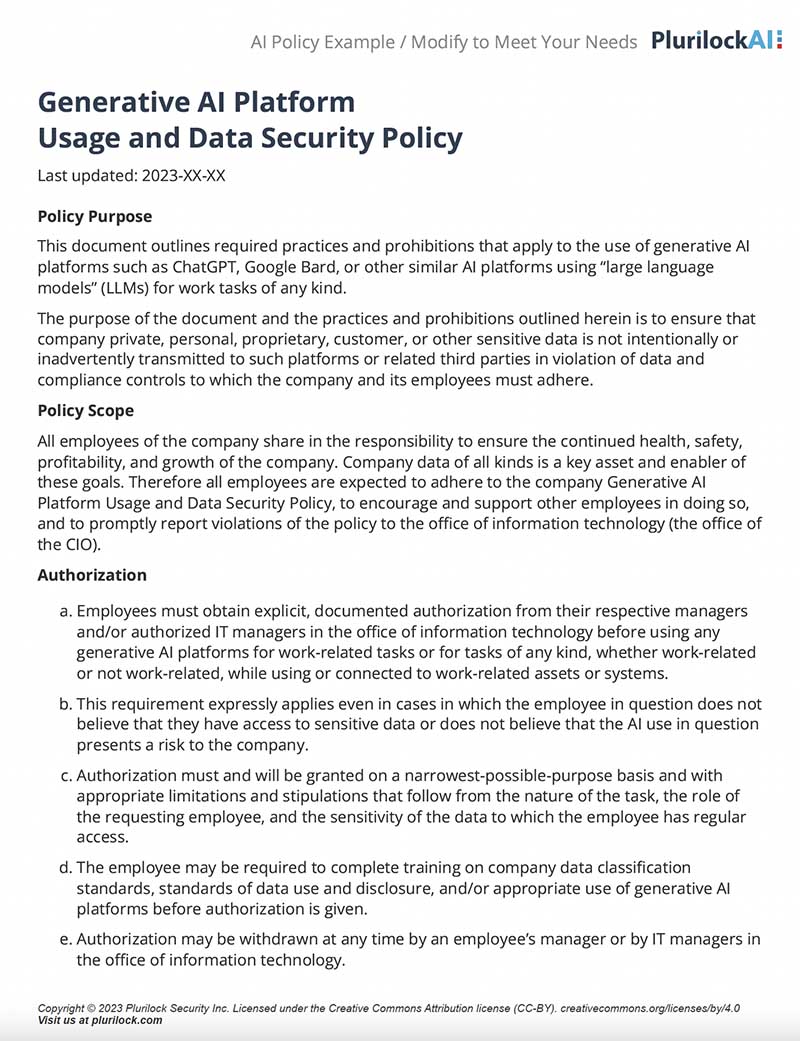
Sample Governance Policy for AI Use
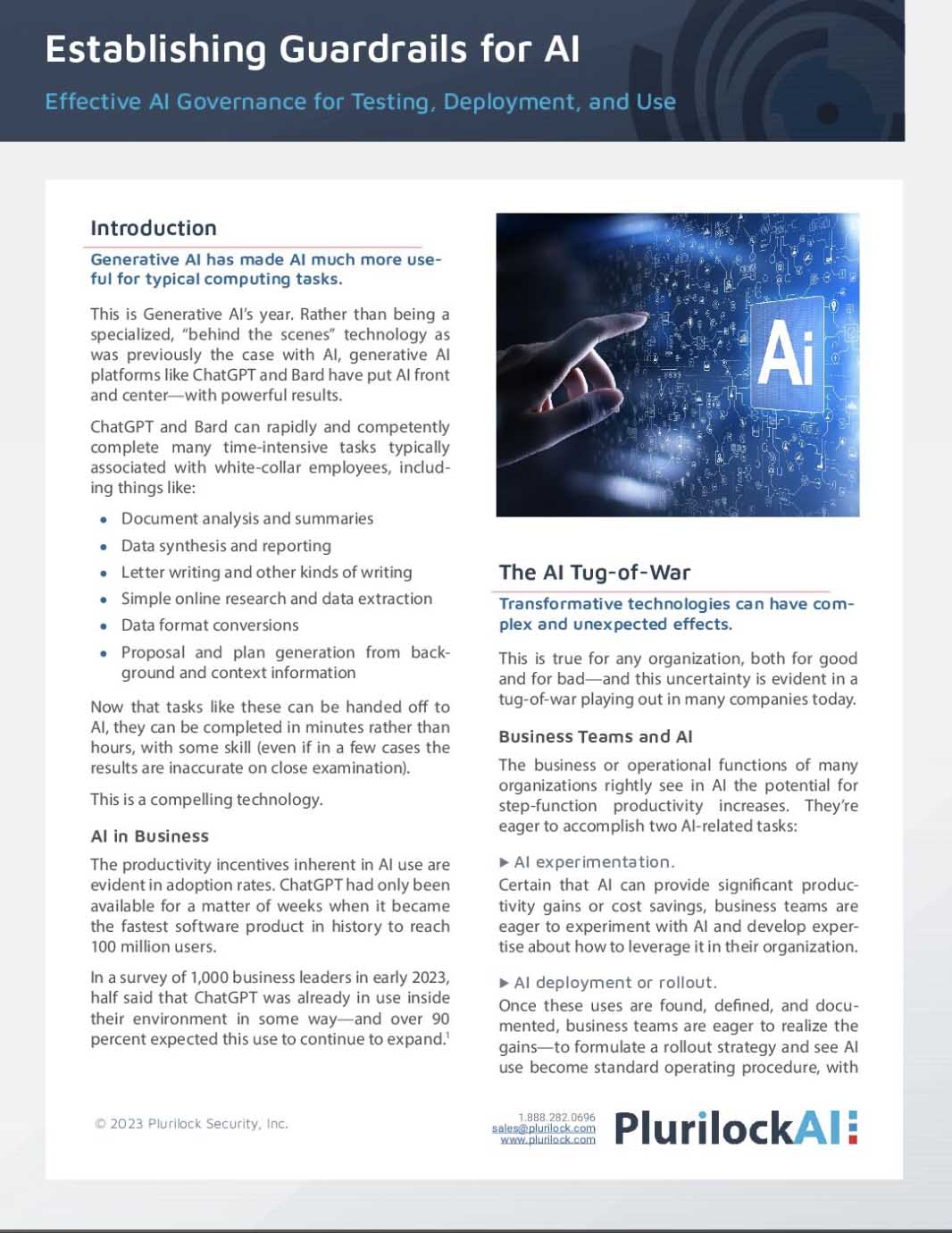
Establishing Guardrails for AI Whitepaper