Cybersecurity Reference > Glossary
What is Security Capability Mapping?





It's essentially creating an honest inventory of your security posture—not what you think you have or what you'd like to have, but what's really there and how well it's functioning. This means cataloging everything from basic controls like firewalls and antivirus to more sophisticated capabilities like threat detection systems, access controls, and monitoring tools.
The real work comes in understanding how these pieces fit together. A capability map doesn't just list tools; it shows how they relate to specific threats, compliance requirements, and business functions. You might discover that three different teams bought separate tools that do similar things, or that a critical area like API security has no coverage at all. The map reveals these redundancies and blind spots by comparing what you have against frameworks like NIST or ISO 27001.
What makes this valuable is that it becomes a reference point for decisions. When evaluating new security investments, responding to incidents, or preparing for audits, the capability map tells you where you stand. It's a living document that needs regular updates as your environment changes, but it saves organizations from making decisions based on outdated assumptions about their own defenses.
Origin
The shift toward capability mapping as a distinct practice gained momentum in the 2010s as security tools proliferated and integration became a significant challenge. Organizations found themselves with dozens of security products that didn't communicate well or created coverage overlaps. The rise of comprehensive frameworks like NIST's Cybersecurity Framework gave teams a common language for describing what their tools actually accomplished rather than just listing vendor names and version numbers.
Regulatory pressures accelerated adoption. Compliance requirements increasingly demanded that organizations demonstrate not just that they had security controls, but that those controls addressed specific risks appropriately. A simple inventory wouldn't satisfy auditors who wanted to understand coverage and gaps. This pushed capability mapping from a nice-to-have architectural exercise into a practical necessity for demonstrating security posture and making defensible decisions about resource allocation.
Why It Matters
The complexity of modern threats makes this visibility essential. Attackers don't respect organizational silos or tool boundaries. They probe for weaknesses across your entire attack surface, and a gap in one area can undermine strong controls elsewhere. A capability map helps security teams think like attackers by showing where defenses are strong and where they're weak or absent entirely.
This becomes especially critical during incidents. When you're responding to a breach, you need to know quickly what visibility and controls you have in the affected areas. You also need it for strategic planning—deciding where to invest limited security budgets requires understanding what capabilities you already have and where additions would provide the most value. Without that foundation, you're just guessing.
The Plurilock Advantage
We assess your security posture against real-world attack patterns and help identify not just what you have, but whether it would actually stop a determined adversary.
Our governance, risk, and compliance services include comprehensive capability assessments that reveal gaps, redundancies, and integration opportunities. We deliver actionable maps that inform immediate decisions, not theoretical frameworks that sit on shelves.
.
Ready to Map Your Security Capabilities?
Plurilock's security capability assessments identify gaps and strengthen your defensive posture.
Start Your Capability Assessment → Learn more →Downloadable References
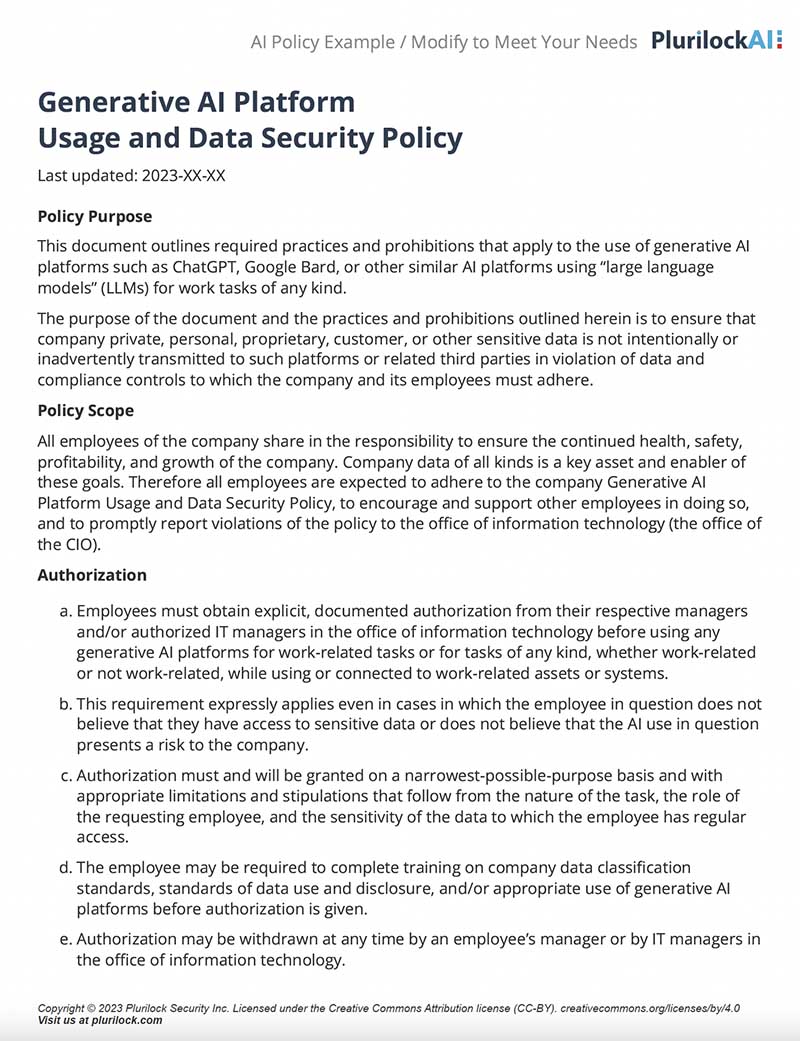
Sample Governance Policy for AI Use
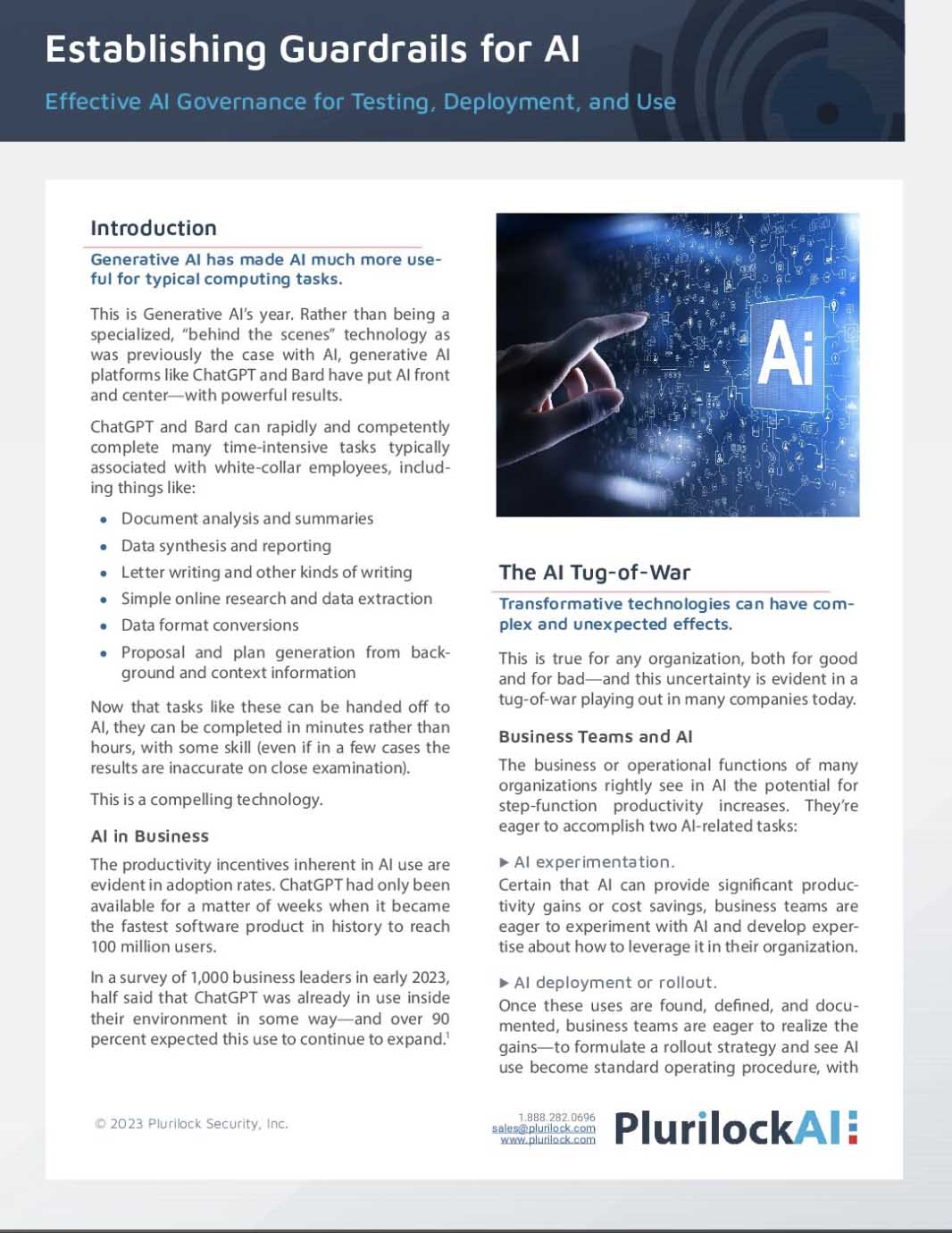
Establishing Guardrails for AI Whitepaper