Cybersecurity Reference > Glossary
What is a Control Framework?




These frameworks provide a systematic approach to identifying, implementing, and monitoring security controls across an organization's information systems and processes.
Control frameworks typically include detailed documentation of security objectives, recommended controls, implementation guidance, and metrics for measuring effectiveness. Popular examples include NIST Cybersecurity Framework, ISO 27001, CIS Controls, and COBIT. Each framework offers different perspectives and methodologies, but all aim to help organizations establish comprehensive security programs.
Organizations often adopt control frameworks to meet regulatory compliance requirements, improve their security posture, or demonstrate due diligence to stakeholders. The frameworks serve as blueprints for developing policies, procedures, and technical controls while providing a common language for discussing cybersecurity risks and requirements. Implementation typically involves gap assessments to identify current security capabilities, prioritization of controls based on risk and resources, and ongoing monitoring to ensure controls remain effective. Many organizations combine elements from multiple frameworks or customize them to address specific industry requirements or threat landscapes.
Origin
The publication of ISO 17799 in 2000, which evolved into ISO 27001, marked a turning point. It established the idea that information security could be managed systematically, with defined controls that organizations could implement, measure, and audit. Around the same time, regulatory pressures intensified. Laws like Sarbanes-Oxley and HIPAA forced organizations to demonstrate they had proper controls in place, not just good intentions.
COBIT emerged from the accounting world, focusing on IT governance. The NIST Cybersecurity Framework, released in 2014 following a presidential directive, took a different approach by creating a flexible, risk-based model that organizations could adapt rather than a strict checklist. This reflected a shift in thinking: frameworks became less about rigid compliance and more about helping organizations understand their risks and make informed decisions about where to invest their security resources.
Why It Matters
Modern threats demand more than reactive security. Ransomware groups, nation-state actors, and sophisticated criminal enterprises don't attack randomly—they exploit gaps in security programs. A solid framework helps organizations identify those gaps before attackers do. It forces uncomfortable but necessary questions about asset management, incident response capabilities, and third-party risks.
Frameworks also solve the communication problem. CISOs need to explain security posture to boards that don't speak in technical jargon. Control frameworks provide that translation layer, showing progress against recognized standards. They turn abstract security concepts into measurable outcomes.
The challenge isn't choosing a framework—it's implementing one effectively. Many organizations treat frameworks as checkbox exercises, documenting controls that exist only on paper. Real value comes from treating frameworks as living systems that evolve with threats, technologies, and business objectives. That requires ongoing assessment, honest gap analysis, and willingness to prioritize based on actual risk rather than what's easiest to implement.
The Plurilock Advantage
We help organizations choose and implement the right framework for their specific risks and regulatory requirements, then integrate controls that actually work in your environment. Our GRC services focus on delivered outcomes, not just compliance checkboxes. We mobilize quickly, often in days rather than months, because we understand that security gaps don't wait for lengthy consulting engagements.
.
Need Help Implementing Control Frameworks?
Plurilock's compliance experts can guide your organization through framework implementation and optimization.
Get Framework Guidance → Learn more →Downloadable References
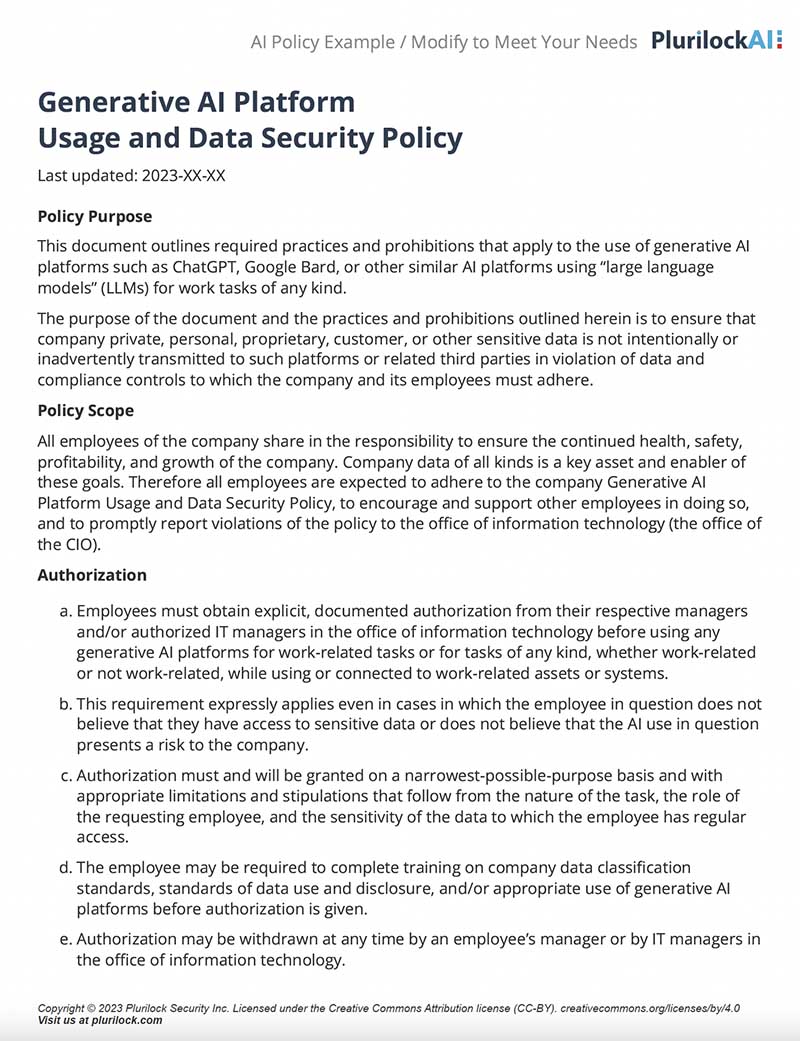
Sample Governance Policy for AI Use
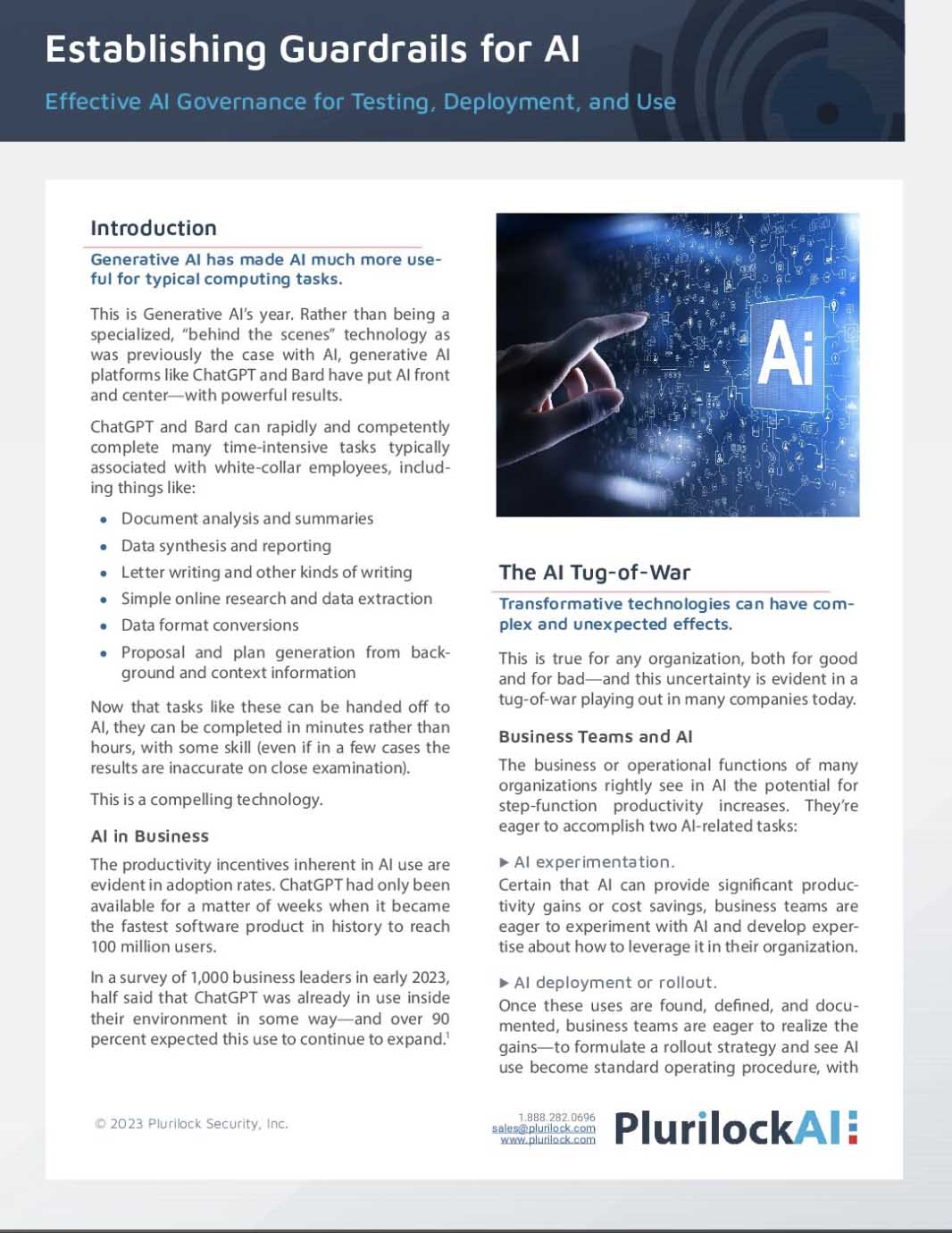
Establishing Guardrails for AI Whitepaper