Identity and Access Management, or IAM, refers to the organizational framework that controls who can access which systems and data within an enterprise.
At its core, IAM answers two fundamental questions: is this person who they claim to be, and should they be allowed to do what they're trying to do?
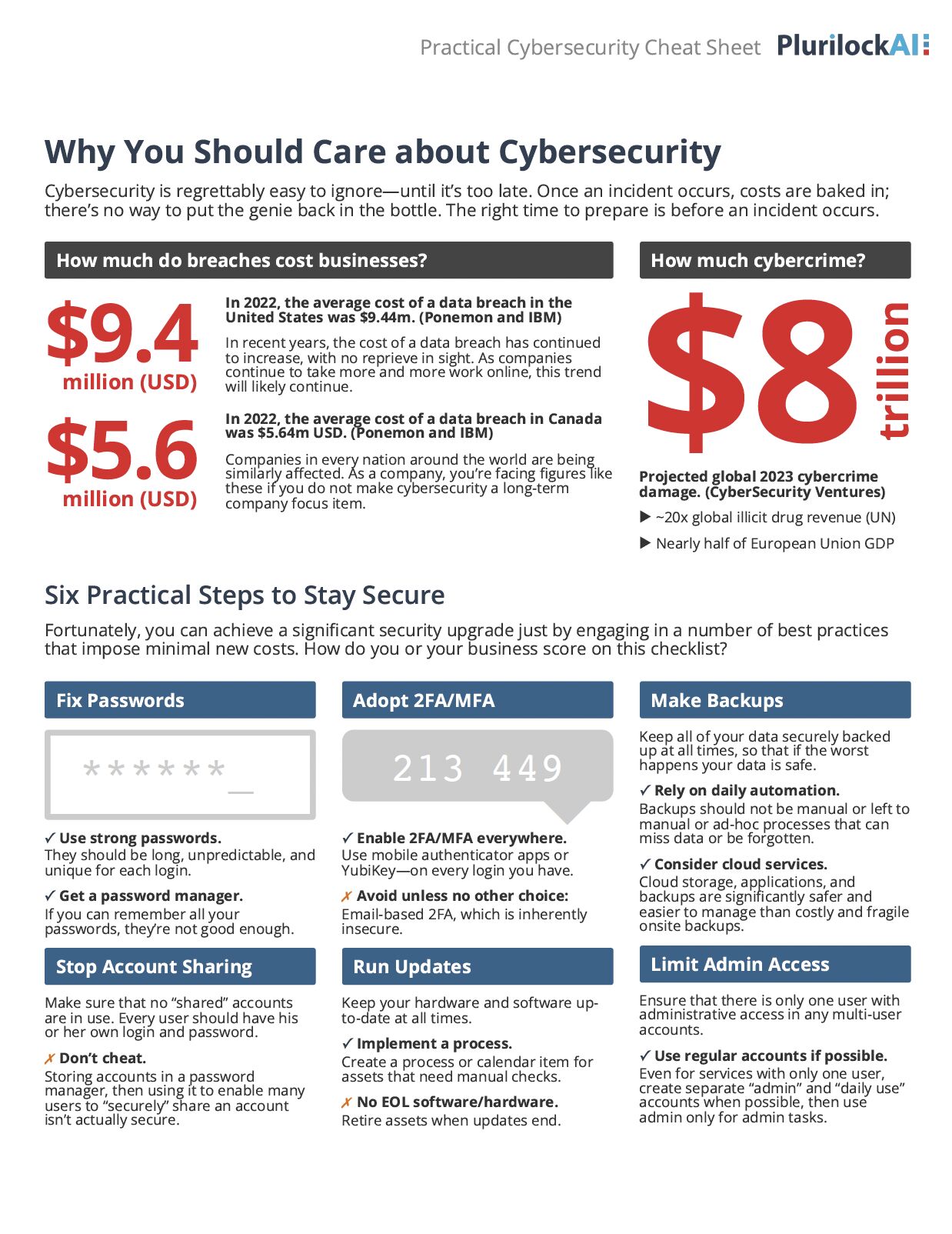
The framework typically includes authentication systems that verify user identities, authorization mechanisms that determine what those users can access, and governance processes that manage the entire lifecycle of user accounts and privileges. Modern IAM implementations often incorporate single sign-on capabilities, multi-factor authentication, privileged access management, and detailed audit logging.
When done well, IAM streamlines how people work by eliminating password fatigue and access bottlenecks while simultaneously reducing security risks by ensuring that access rights align with actual job requirements and get revoked promptly when circumstances change.
The roots of IAM trace back to the earliest days of multi-user computing systems in the 1960s, when mainframes needed basic mechanisms to distinguish between different operators and enforce access boundaries. These primitive systems relied on simple username and password combinations stored in text files.
As networks proliferated in the 1980s and 1990s, directory services like LDAP and Active Directory emerged to manage identities at scale across distributed environments. The term "Identity and Access Management" itself gained prominence in the early 2000s as enterprises recognized that isolated authentication systems created security gaps and operational headaches.
The shift toward web-based applications and cloud services in the 2010s fundamentally transformed IAM from an internal IT function into a complex discipline spanning on-premises infrastructure, SaaS applications, mobile devices, and API-driven integrations. Today's IAM solutions have evolved to address not just human users but also machine identities, service accounts, and automated processes that interact with corporate resources.
IAM sits at the intersection of nearly every modern security challenge. Compromised credentials remain the leading cause of data breaches, making robust authentication and access controls essential rather than optional. The explosion of SaaS applications means that the average enterprise now manages access to hundreds of different systems, each potentially creating security exposure if not properly integrated into a coherent IAM strategy. Remote work has demolished the traditional network perimeter, forcing organizations to verify identity and enforce access policies regardless of where users connect from.
Regulatory frameworks like GDPR, HIPAA, and SOC 2 mandate detailed controls over who can access sensitive data and require audit trails that only mature IAM systems can provide. Meanwhile, insider threats—whether malicious or simply careless—demand sophisticated tools for detecting unusual access patterns and enforcing least-privilege principles.
Organizations that neglect IAM modernization find themselves juggling incompatible systems, responding slowly to access requests, and struggling to maintain visibility into who has access to what.
Plurilock's IAM specialists bring decades of implementation experience across government and enterprise environments, helping organizations modernize fragmented identity systems into coherent, defensible architectures. We assess your current state, design solutions that balance security with usability, and execute implementations that actually work in your specific environment.
Our team has solved complex federation challenges, integrated legacy systems with cloud platforms, and deployed advanced authentication mechanisms for high-security environments.
Whether you need strategic planning or hands-on implementation, we deliver outcomes rather than presentations. Learn more about our identity and access management services.
.