Cybersecurity Reference > Glossary
What is the National Futures Association Rulebook (NFA Rulebook)?





Published and maintained by the NFA, the rulebook establishes compliance requirements for member organizations to develop and implement comprehensive information systems security programs. These programs must address the protection of sensitive trading data, customer information, and the operational systems that facilitate futures transactions.
For organizations in the financial services sector, particularly those dealing with derivatives and futures contracts, the rulebook serves as both a compliance framework and a practical guide. It outlines specific security controls, risk management practices, and governance structures that member firms must adopt. The requirements cover everything from access controls and data encryption to incident response procedures and security awareness training. While the rulebook originates from the futures industry, its information security provisions reflect broader financial sector concerns about protecting market integrity, preventing fraud, and safeguarding customer assets in an increasingly digital trading environment.
Origin
As electronic trading platforms emerged in the 1990s and gained dominance in the 2000s, the vulnerability of trading systems to cyber threats became apparent. The NFA began incorporating more detailed information security requirements into its rulebook, recognizing that a breach could compromise market integrity, enable insider trading, or expose customer accounts to theft. Major revisions in the 2010s strengthened these provisions considerably, requiring member firms to establish formal information systems security programs with documented policies, regular risk assessments, and ongoing monitoring.
The rulebook has continued to evolve in response to emerging threats, incorporating requirements around cloud security, third-party risk management, and ransomware defense as these issues have become prominent in the financial sector.
Why It Matters
The rulebook matters beyond just NFA member compliance. It represents a tested framework for securing financial trading operations that many organizations reference even when not directly subject to NFA jurisdiction. The specific controls it mandates—segregation of duties, encryption of sensitive data, multi-factor authentication for system access—reflect lessons learned from actual incidents in the derivatives industry.
For firms subject to the rulebook, non-compliance carries real consequences. The NFA conducts regular examinations and can impose fines, restrict trading privileges, or even revoke membership for serious violations. Beyond regulatory penalties, inadequate security can result in direct financial losses, litigation from affected customers, and severe reputational damage in an industry where trust is fundamental to business relationships. The rulebook essentially codifies the minimum security posture necessary to operate credibly in modern futures markets.
The Plurilock Advantage
Our governance, risk, and compliance services help futures industry clients build security programs that satisfy NFA examiners while remaining operationally practical. We can rapidly assess your current posture against rulebook requirements, implement necessary controls, and establish ongoing monitoring to demonstrate continuous compliance. When audit time arrives, you're prepared rather than scrambling.
.
Downloadable References
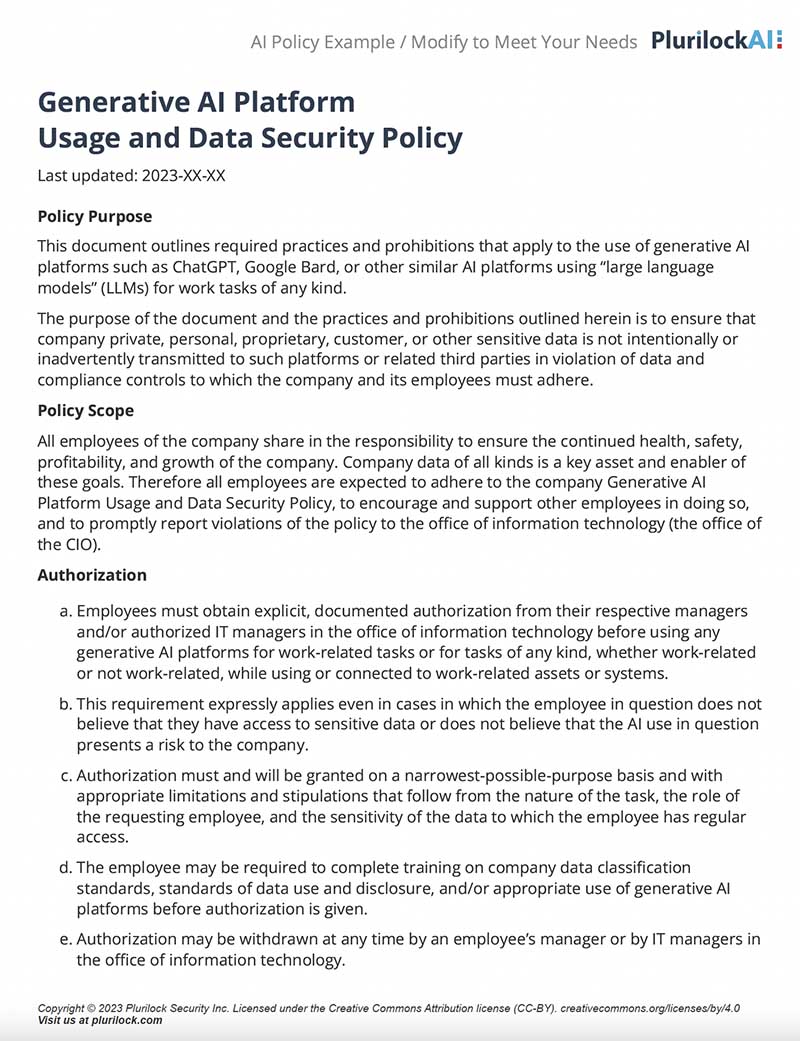
Sample Governance Policy for AI Use
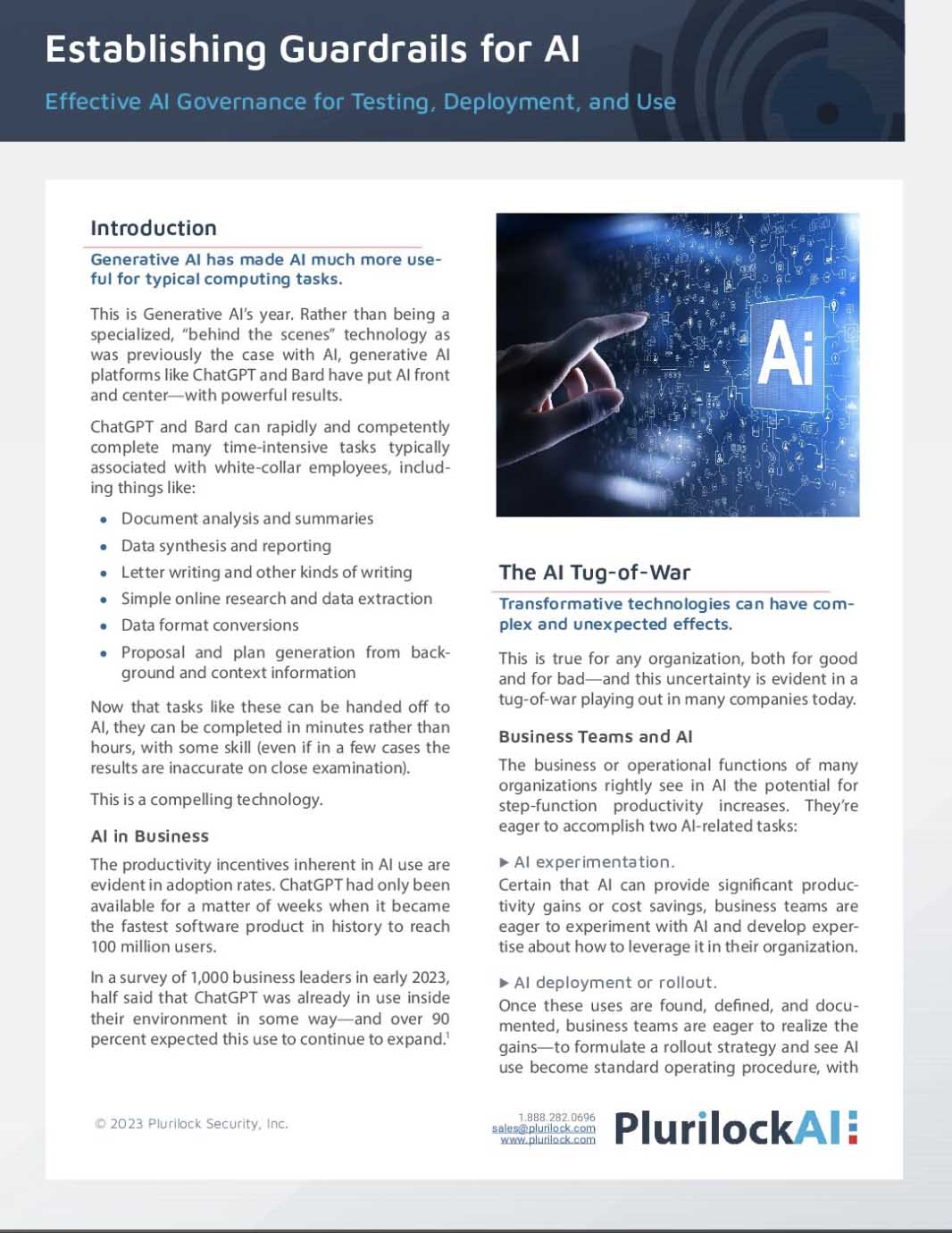
Establishing Guardrails for AI Whitepaper