
Cybersecurity Reference > Glossary
What is the National Institute of Standards and Technology Publication 800-171 (NIST 800-171)?


Think of CUI as government data that's sensitive but not classified—things like procurement details, technical specifications, or personally identifiable information. The publication spells out 110 specific security controls across fourteen families, from access control to system integrity. These aren't suggestions. If you want to do business with the Department of Defense or most federal agencies, you need to meet these requirements.
The standard emerged from FISMA, which mandated protection of federal information at moderate impact levels according to FIPS 199 standards. What makes 800-171 different from other frameworks is its prescriptive nature—it tells you exactly what controls to implement rather than leaving much room for interpretation.
Organizations must conduct self-assessments, document their compliance, and increasingly, submit to third-party audits through programs like the Cybersecurity Maturity Model Certification (CMMC). Penalties for non-compliance can include loss of contracts, and in cases of false certification, potential False Claims Act liability.
Origin
The initial publication drew heavily from NIST 800-53, which outlined security controls for federal systems, but adapted them for non-federal environments where organizations might have fewer resources or different operational constraints.
NIST released Revision 1 in 2016 with clarifications and minor adjustments, then Revision 2 in 2020 with more substantial changes including new controls around CUI in printed form and enhanced requirements for insider threat programs. The publication has become increasingly central to federal contracting, particularly as DoD began tying contract awards to demonstrated compliance through the CMMC program.
Why It Matters
The 110 controls in 800-171 cover fundamental security practices: multifactor authentication, encryption of CUI at rest and in transit, security awareness training, incident response capabilities, and dozens of other measures. Some organizations struggle with requirements around access control and system monitoring, which can require significant technical investment.
The assessment process itself has evolved, with DoD moving toward mandatory third-party assessments rather than self-certification. This shift reflects a hard lesson: self-reported compliance often overstated actual security posture. Organizations now face a compliance landscape where documentation matters as much as technical implementation—you need to demonstrate not just that you've implemented controls, but that you're monitoring them, testing them, and maintaining them over time.
The Plurilock Advantage
We implement the actual technical controls—from identity and access management to data protection—rather than just documenting what should exist.
Our team includes former government security professionals who understand how assessors evaluate compliance and what evidence actually demonstrates effective control implementation. Learn more about our governance, risk, and compliance services.
.
Downloadable References
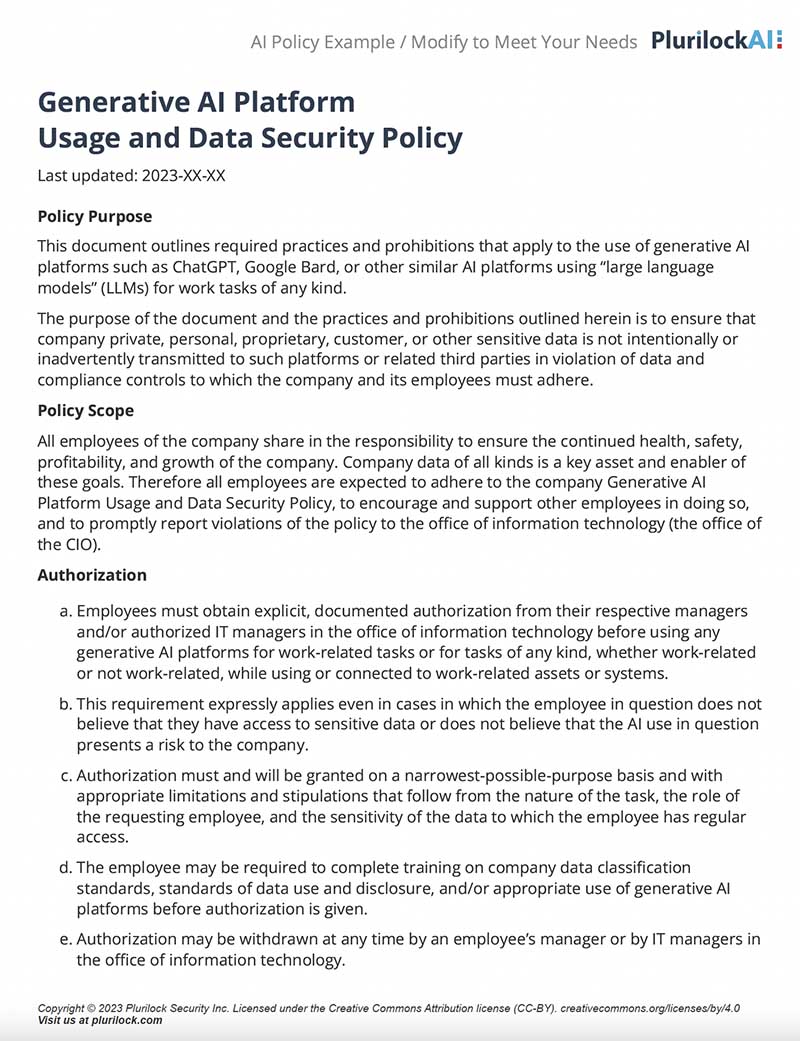
Sample Governance Policy for AI Use
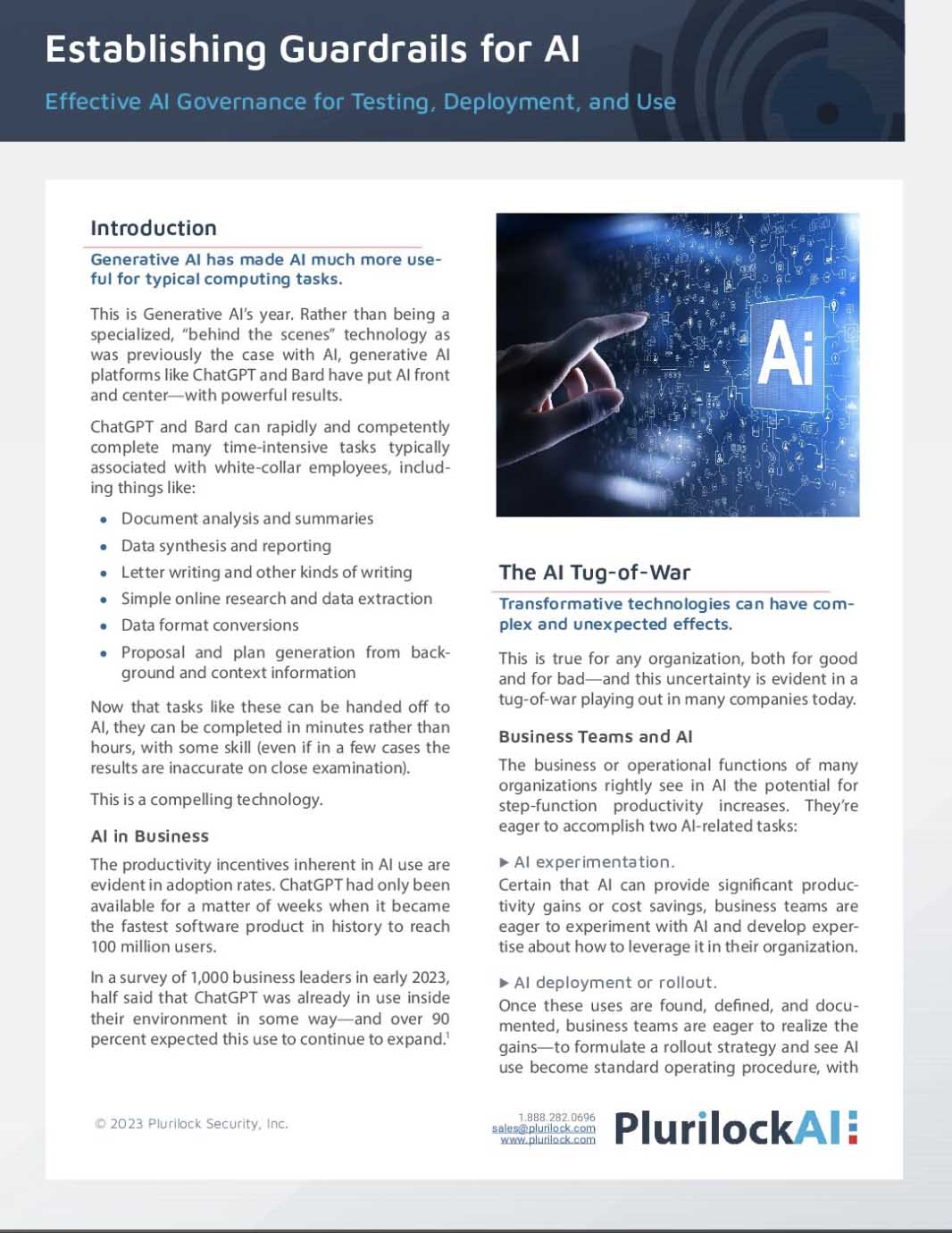
Establishing Guardrails for AI Whitepaper