
Cybersecurity Reference > Glossary
What are CIS Critical Security Controls (CIS CSC)?




Developed and maintained by the Center for Internet Security, these controls represent consensus guidance drawn from a global community of security practitioners who've seen what actually works in the field. Unlike broad frameworks that cover every possible security concern, the CIS Controls focus on specific, actionable steps that block known attack patterns.
The framework organizes its recommendations into 18 controls (recently consolidated from 20), each addressing a different aspect of security—from basic inventory of devices and software to more advanced practices like penetration testing and security awareness training. They're grouped by implementation level, acknowledging that a small business with limited resources needs different starting points than a large enterprise. What makes them particularly useful is their explicit connection to common attack types: each control directly counters specific techniques that attackers regularly use. Organizations following the CIS Controls aren't just checking boxes; they're implementing defenses that have proven effective against real threats. The controls also map well to regulatory requirements like HIPAA, PCI DSS, and various government standards, which means working through them often satisfies multiple compliance obligations at once.
Origin
The controls were built through an unusual process—analyzing data from real intrusions to identify which defensive measures would have prevented or detected them. This "offense informs defense" approach meant the recommendations weren't theoretical; they addressed attack techniques that were actively being used. In 2015, the Center for Internet Security took over stewardship of the controls, broadening the community involvement and formalizing the update process. The framework has gone through several major revisions, with version 8 (released in 2021) representing a significant restructuring that reduced the number of controls and reorganized them around implementation groups. Each revision has refined the guidance based on evolving threat landscapes and feedback from thousands of organizations trying to implement the recommendations in real-world environments with real-world constraints.
Why It Matters
Their implementation group structure acknowledges a truth that many frameworks ignore: not every organization can do everything at once. The first implementation group covers fundamental hygiene that even small teams can achieve. Organizations that master these basics block a significant portion of common attacks—the opportunistic scanning and exploitation that represents most real-world threats. The second and third groups build on that foundation with more sophisticated capabilities appropriate for organizations facing more determined adversaries.
The Controls have also become a common language. When security teams, auditors, and executives talk about "implementing CIS Controls," they share an understanding of what that means in practical terms. This common reference point makes conversations more productive and helps organizations benchmark their progress. For boards and leadership teams unfamiliar with security details, the Controls provide a comprehensible roadmap showing where the organization stands and what comes next.
The Plurilock Advantage
We've worked with enough organizations to understand where implementation typically stalls and how to avoid those pitfalls. Our governance, risk, and compliance services include gap assessments against the CIS Controls, remediation roadmaps that sequence implementation sensibly, and ongoing validation to ensure controls remain effective as your environment evolves.
We focus on getting controls functioning properly in your actual environment, not just documented in policies that sit on a shelf.
.
Downloadable References
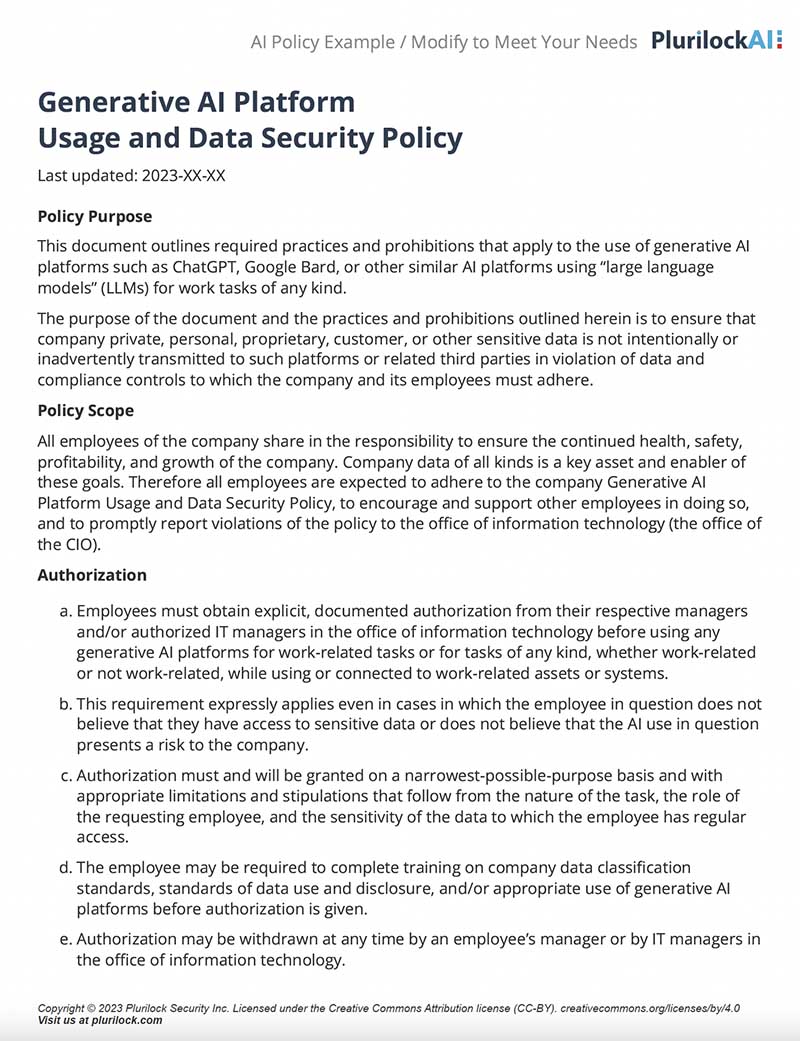
Sample Governance Policy for AI Use
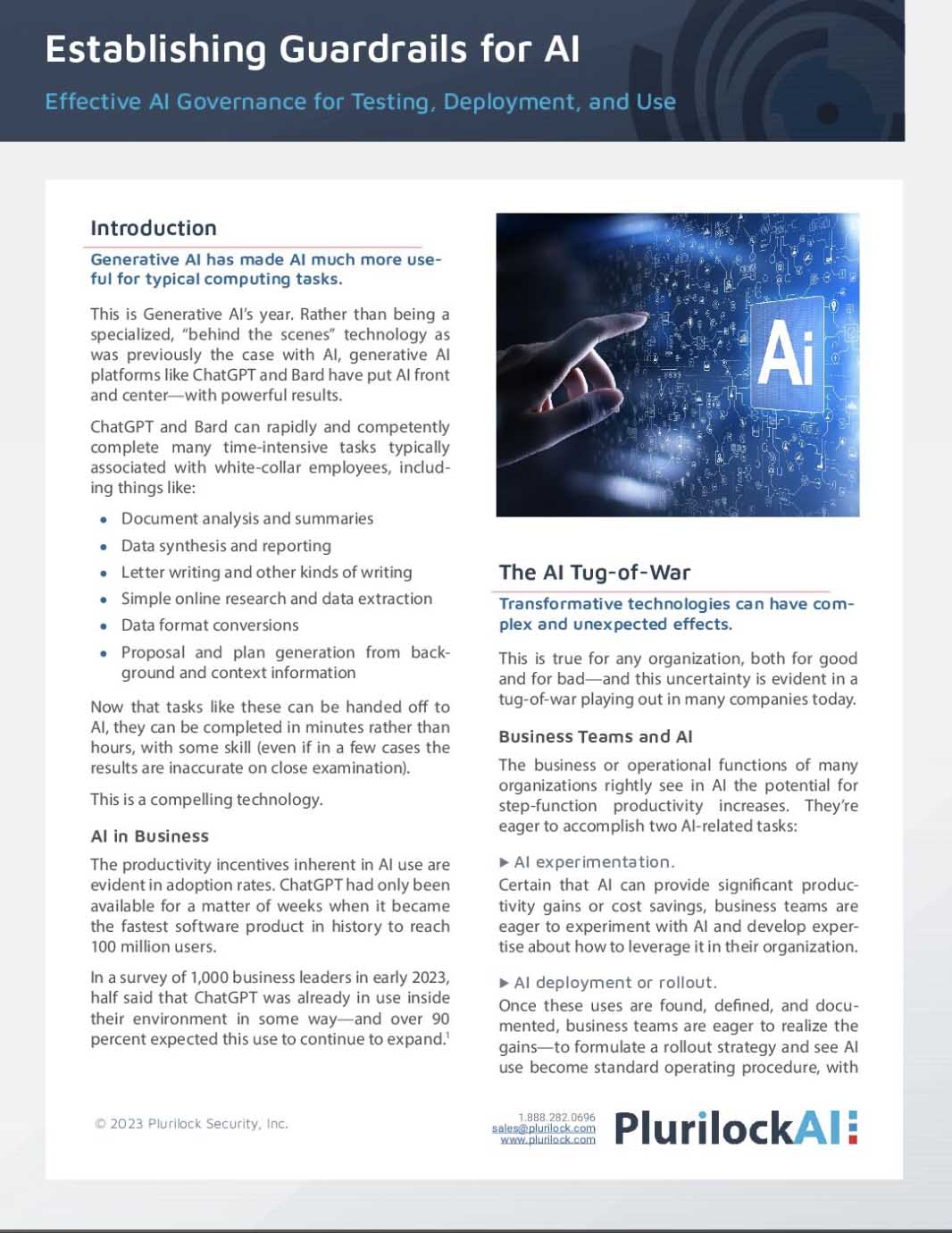
Establishing Guardrails for AI Whitepaper