Cybersecurity Reference > Glossary
What is Credential Harvesting?


Attackers deploy a range of tactics to collect these credentials: phishing emails that land you on convincing fake login pages, malware that records your keystrokes, social engineering schemes that trick you into handing over information directly, or breaches of systems where passwords were stored carelessly.
Once harvested, these credentials fuel all sorts of malicious activity. Attackers might use them immediately to break into accounts, steal identities, or commit financial fraud. Just as often, they'll sell them on dark web marketplaces to other criminals. High-value targets like banking portals, email accounts, or corporate systems draw focused attention, but attackers also scoop up credentials indiscriminately to build massive databases for later exploitation.
The techniques vary but share a common goal. Fake websites mimic legitimate login pages with alarming accuracy. Email campaigns bait victims into clicking through to credential capture forms. Keyloggers and other malware sit quietly and record everything typed. Credential stuffing attacks take passwords leaked from one breach and try them across hundreds of other sites, banking on password reuse. Man-in-the-middle attacks on unsecured networks intercept credentials as they travel.
Origin
The phishing boom of the mid-2000s marked a turning point. Attackers discovered they could craft convincing replicas of bank websites and major online services, then blast out emails to millions of potential victims. The returns justified increasingly sophisticated operations. By the late 2000s, organized criminal groups were running credential harvesting like businesses, complete with customer service for buyers of stolen credentials.
The massive data breaches of the 2010s—affecting hundreds of millions of user accounts at major companies—created an enormous supply of credentials. This fueled the rise of credential stuffing, where attackers automated attempts to reuse stolen passwords across thousands of services. The technique exploits a simple human tendency: we reuse passwords because remembering dozens of unique ones is genuinely hard.
More recently, credential harvesting has incorporated deepfakes, AI-generated phishing content, and sophisticated social engineering that targets specific individuals rather than casting wide nets. The attacks have grown more personalized and harder to distinguish from legitimate communications.
Why It Matters
The consequences extend beyond immediate account compromise. Harvested credentials often provide the initial foothold for much larger attacks. An attacker who gains access to one employee's email might use it to move laterally through a corporate network, eventually reaching systems with sensitive data or critical infrastructure controls. What begins as a simple phishing email can cascade into a major breach.
The sheer volume of harvested credentials circulating on dark web marketplaces means that even old, previously secure passwords might suddenly become liabilities if they were reused from a breached service. Organizations face the challenge of defending not just against attacks on their own systems, but against the accumulated history of every breach their employees have ever experienced on any service, anywhere.
Multi-factor authentication helps substantially by requiring something beyond just a password, but it's not foolproof. Attackers have developed techniques to intercept authentication codes or trick users into approving fraudulent login attempts. The cat-and-mouse game continues, with defenders racing to stay ahead of increasingly sophisticated harvesting operations.
The Plurilock Advantage
We don't just run generic phishing tests; we craft scenarios specific to your environment and threat landscape.
Beyond testing, we help implement practical defenses: identity and access management modernization, zero-trust architectures that limit damage from compromised credentials, and staff augmentation to bolster your security operations with practitioners who've seen these attacks from every angle.
.
Worried About Credential Theft?
Plurilock's behavioral biometrics can detect unauthorized access even with stolen credentials.
Protect Your Accounts Now → Learn more →Downloadable References
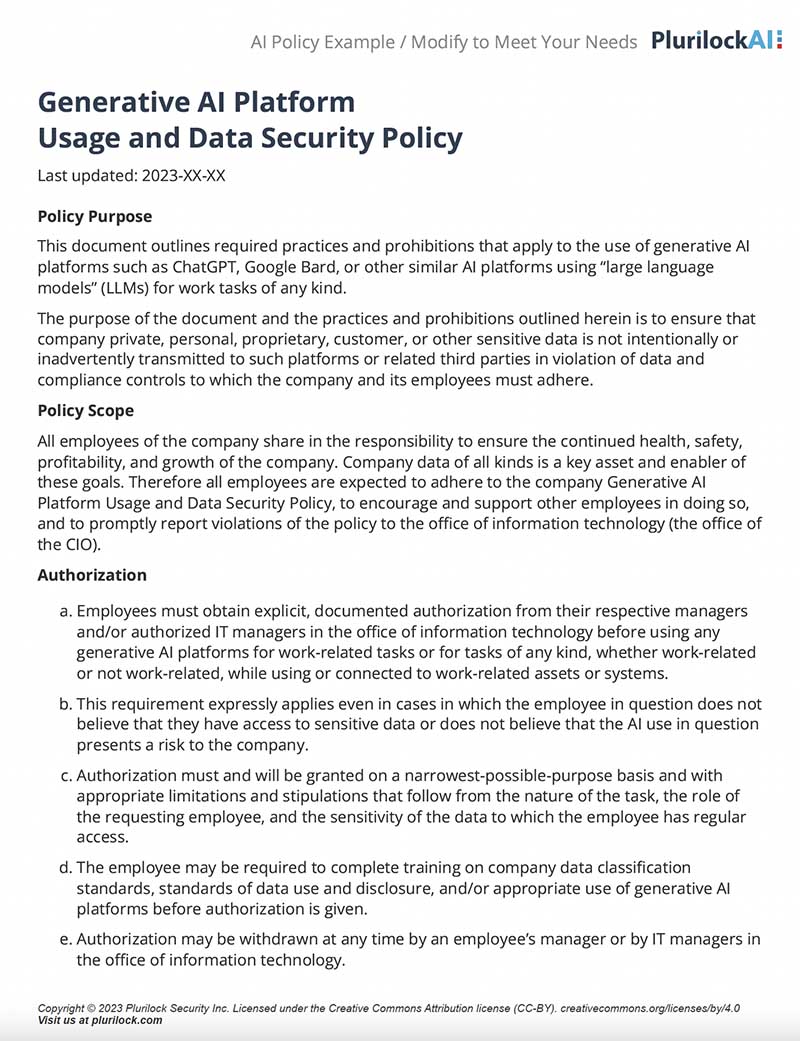
Sample Governance Policy for AI Use
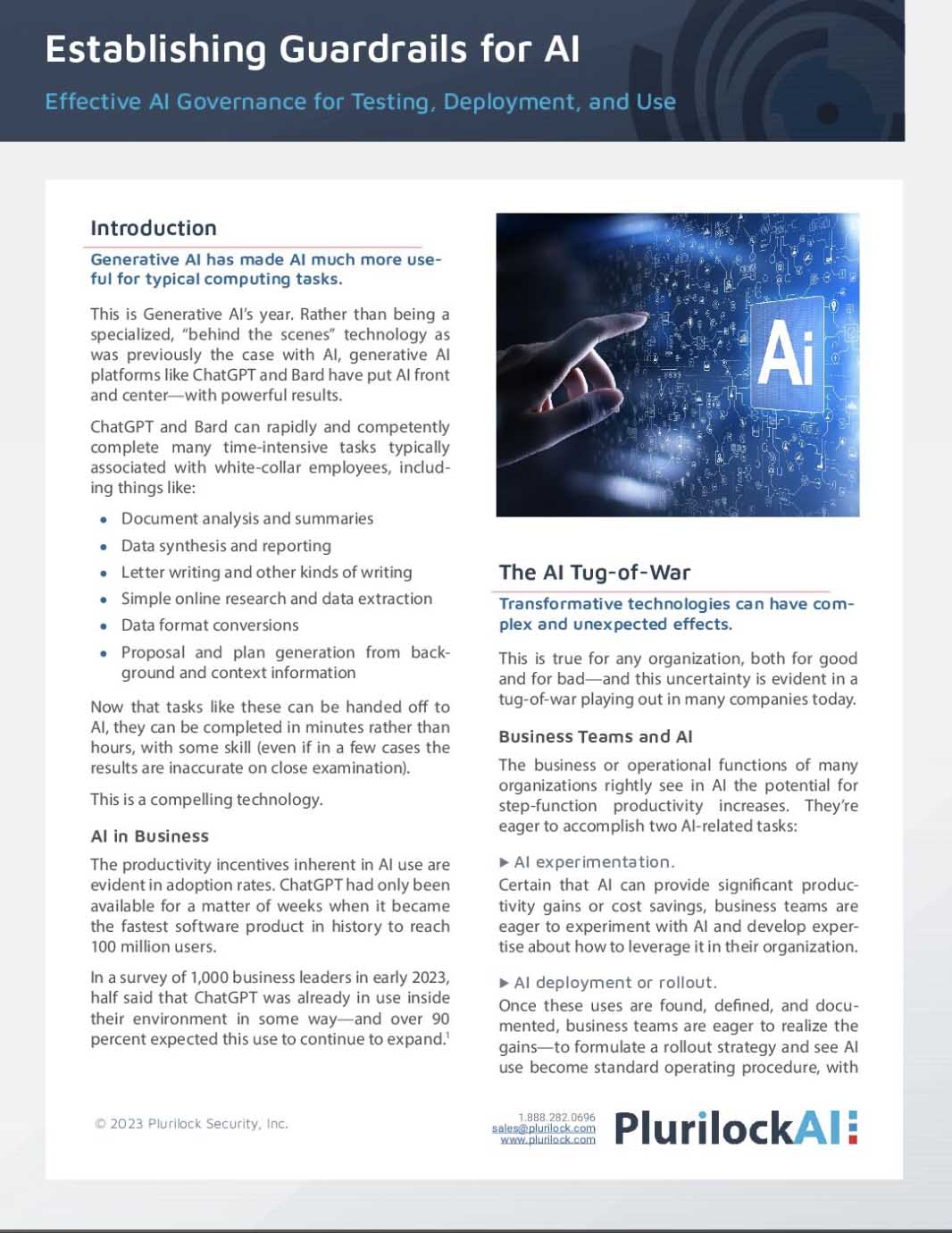
Establishing Guardrails for AI Whitepaper