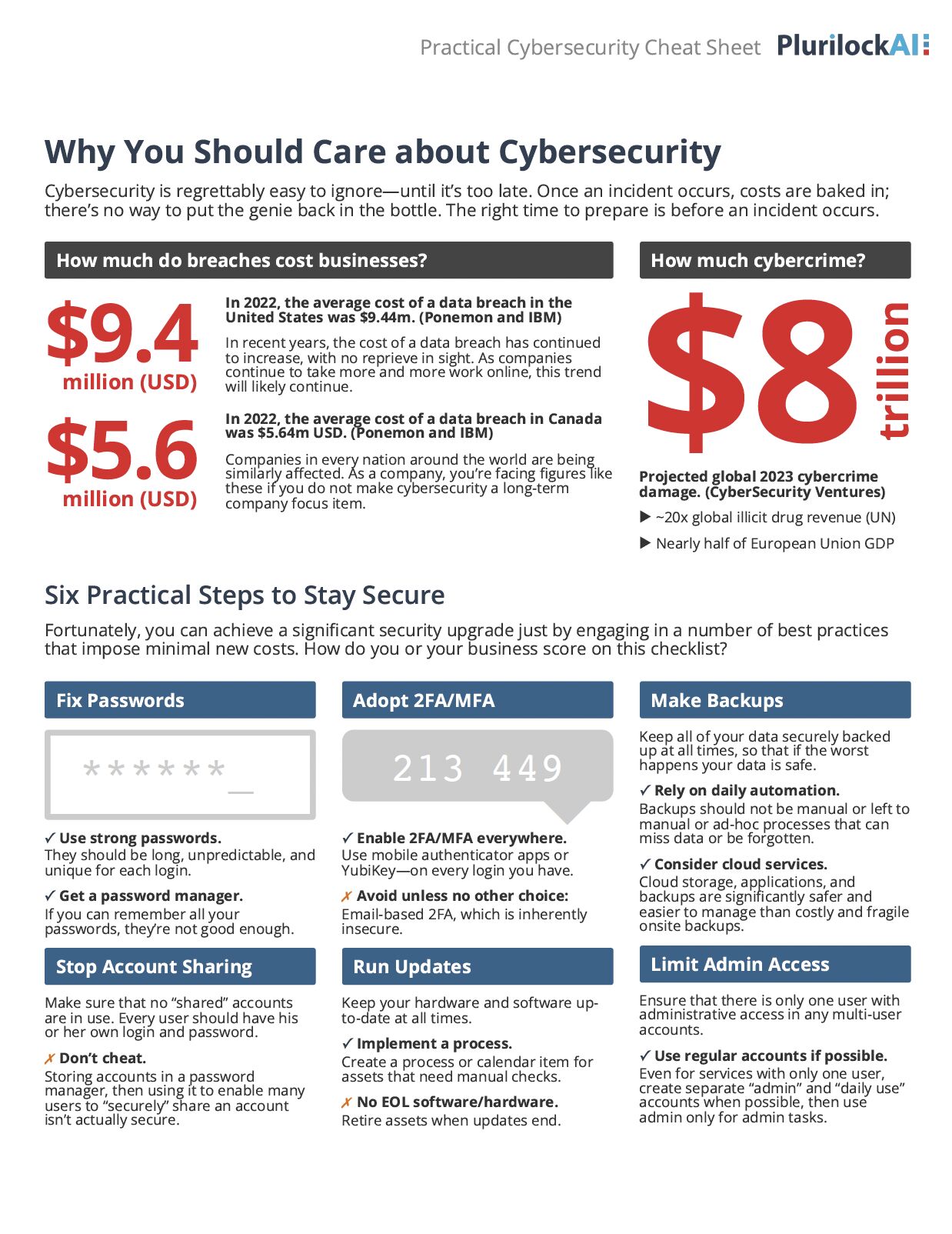
Cybersecurity Reference > Glossary
What is Lateral Movement?





Picture a burglar who breaks into a building through a side door and then moves room by room toward the vault. The attacker starts at one compromised system—maybe a desktop infected through phishing—and methodically expands their reach to other machines, servers, and resources across the network.
This movement happens because networks are designed for legitimate users to access multiple systems. An employee's workstation might need to connect to file servers, databases, and collaboration tools. Attackers exploit these same pathways, often using stolen credentials or software vulnerabilities to authenticate to new systems as they go. They might compromise a low-privilege user account initially, then pivot to a domain controller or financial database. Modern networks often segment resources to limit this kind of movement, but attackers have developed techniques to bypass these controls. They steal credentials through keylogging or memory scraping, exploit trust relationships between systems, or use legitimate administrative tools like PowerShell and remote desktop protocols to avoid detection. The goal is to reach high-value targets—sensitive data, critical infrastructure, or systems that control important operations—while blending in with normal network traffic.
Origin
Security researchers began documenting these multi-stage intrusions as networks adopted domain authentication systems like Windows NT and Active Directory. The term "lateral movement" gained currency in the mid-2000s as incident response teams analyzed sophisticated breaches. They noticed attackers weren't just compromising one machine; they were methodically exploring the network topology, identifying valuable targets, and creating paths to reach them. Advanced persistent threat groups demonstrated particularly refined lateral movement techniques, sometimes spending months moving silently through victim networks.
The rise of pass-the-hash attacks and credential theft tools like Mimikatz made lateral movement easier and more common. Defenders responded with network segmentation, privileged access management, and monitoring tools designed to detect unusual authentication patterns. The back-and-forth between attackers refining their techniques and defenders implementing new controls continues to shape how we think about network security architecture.
Why It Matters
Modern attackers often need lateral movement to achieve their objectives. Ransomware operators must reach backup servers and domain controllers to maximize impact. Espionage groups target specific intellectual property that rarely lives on the initially compromised system. Financial fraudsters need access to payment systems or wire transfer capabilities. Detecting lateral movement has become a priority for security operations centers, which watch for suspicious authentication patterns, unusual remote connections, and credential usage that doesn't match normal behavior.
The challenge is that lateral movement often uses legitimate tools and protocols. An attacker using stolen credentials to access a file server looks remarkably similar to a legitimate user doing the same thing. This makes prevention and detection difficult without sophisticated behavioral analysis and strong network segmentation. Organizations that fail to address lateral movement risk face complete compromise even when they invest heavily in perimeter defenses.
The Plurilock Advantage
We implement zero-trust architectures that limit lateral movement by requiring continuous verification and restricting access based on strict need-to-know principles.
Our red team exercises specifically test an organization's ability to detect and respond when attackers attempt to move beyond their initial foothold, revealing gaps in monitoring and response capabilities that might otherwise remain hidden until a real breach occurs.
.
Downloadable References
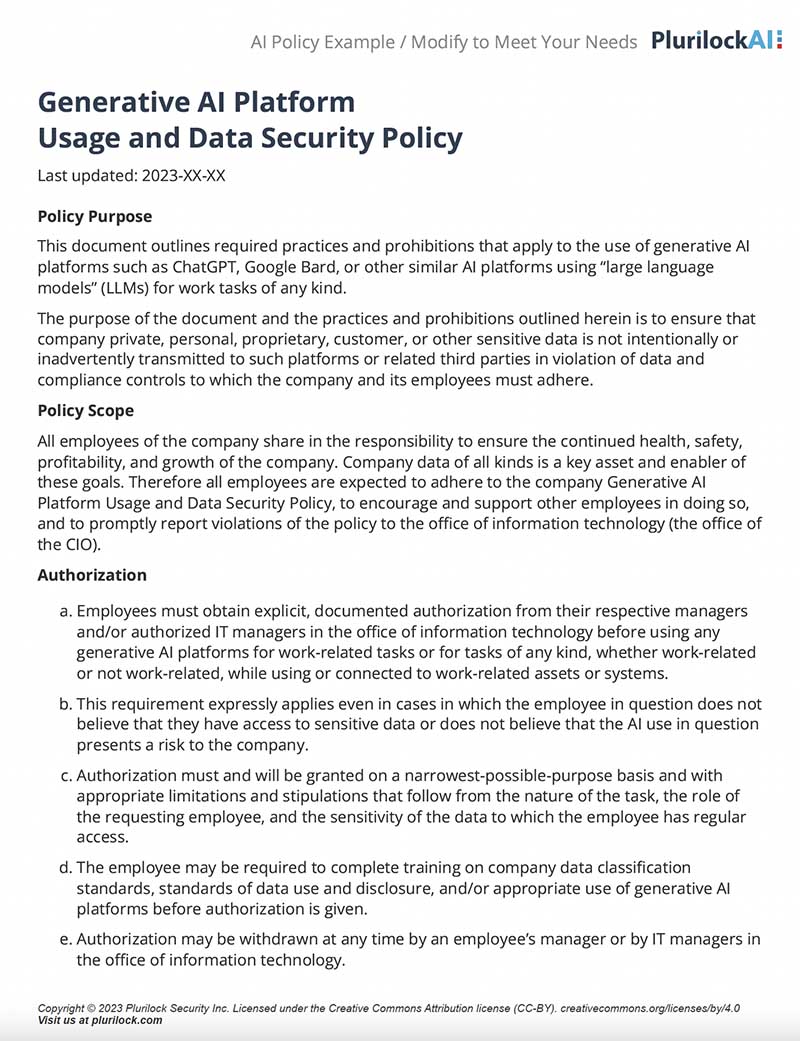
Sample Governance Policy for AI Use
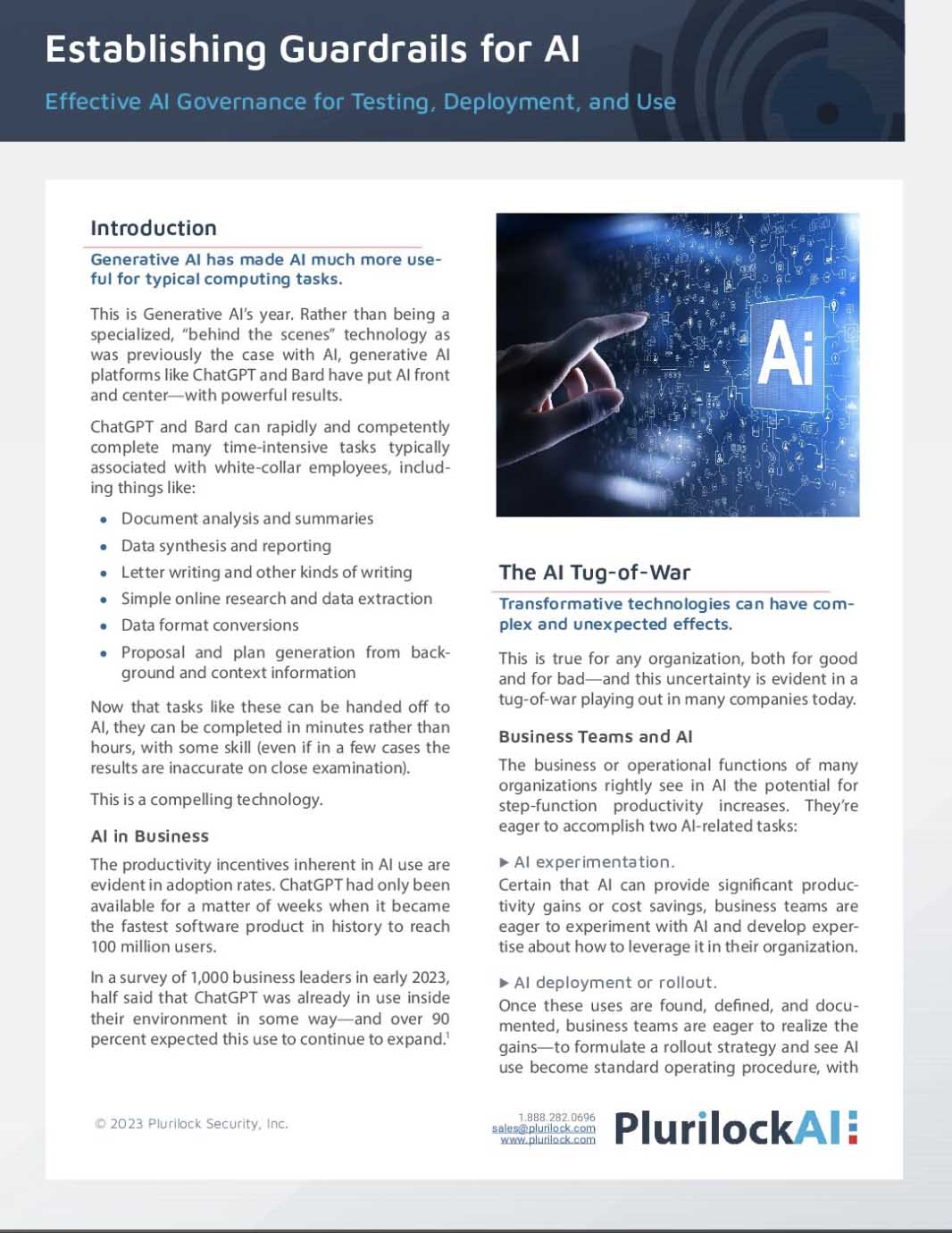
Establishing Guardrails for AI Whitepaper