Cybersecurity Reference > Glossary
What is Security ROI?





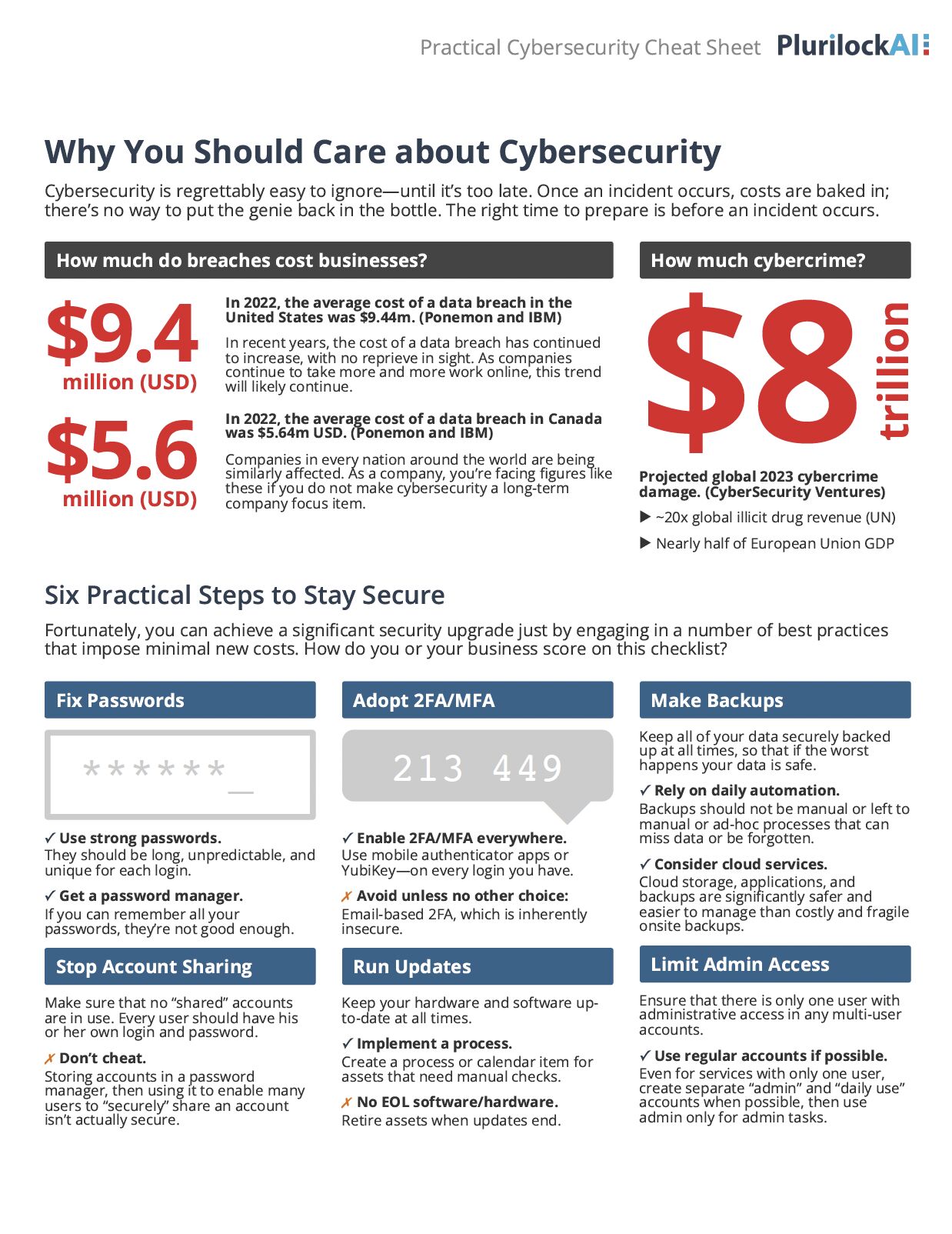
The calculation sounds straightforward—weigh security costs against prevented losses from breaches, fines, downtime, and damaged reputation—but the reality is messier. How do you assign a dollar value to an attack that never happened? What's the worth of a vulnerability you patched before anyone exploited it?
Most organizations approach this by benchmarking against industry-average breach costs, calculating the value of prevented downtime, or tallying compliance-related savings. Direct costs like security tools, staff salaries, and training programs sit on one side of the ledger. On the other, you've got both tangible benefits (lower insurance premiums, avoided regulatory penalties) and harder-to-quantify advantages like customer trust and competitive positioning. Unlike typical business investments that generate revenue, security spending often justifies itself through risk reduction and cost avoidance. An effective security program might never show up as a line item in revenue growth, but it keeps the organization from hemorrhaging money when things go wrong.
Origin
Early security ROI models borrowed heavily from traditional capital investment frameworks, but they quickly ran into problems. Standard ROI calculations assume measurable returns, while security's primary value lies in preventing losses that may or may not have occurred. By the mid-2000s, frameworks like the Gordon-Loeb model attempted to formalize security investment decisions by relating spending to vulnerability levels and potential losses. These academic approaches helped legitimize the conversation but often proved too abstract for practical use.
The 2010s saw a pragmatic evolution. Organizations started using metrics like breach probability, average loss estimates, and control effectiveness ratings to build more grounded ROI cases. The rise of cyber insurance also provided market-driven data points for quantifying risk. Today's security ROI discussions increasingly incorporate risk quantification methodologies that translate technical vulnerabilities into financial exposure, making the business case more tangible.
Why It Matters
The calculation matters beyond internal budget battles. Investors and stakeholders increasingly scrutinize cybersecurity posture as a business risk factor. Companies with demonstrable security ROI can articulate their risk management strategy in financial terms that resonate with boards and shareholders. Regulatory frameworks now often require organizations to show they've made reasonable security investments relative to the data they handle and the risks they face.
The difficulty lies in the counterfactual nature of security success. A year without incidents might reflect excellent security or simple luck. Organizations struggle to avoid both underinvestment (which courts disaster) and security theater (spending money on impressive-looking measures that don't materially reduce risk). The most sophisticated approaches now combine historical breach data, threat intelligence, and business impact analysis to create defensible projections that acknowledge uncertainty while still guiding resource allocation.
The Plurilock Advantage
We prioritize solutions that demonstrably reduce risk while avoiding the vendor-driven approach that pads costs without improving security posture.
With decades of experience across commercial and government sectors, we understand how to build security programs that justify themselves through prevented losses, compliance efficiency, and operational resilience rather than impressive-sounding but ineffective measures.
.
Ready to Maximize Your Security ROI?
Plurilock's security assessments help quantify and optimize your cybersecurity investment returns.
Calculate Your Security ROI → Learn more →Downloadable References
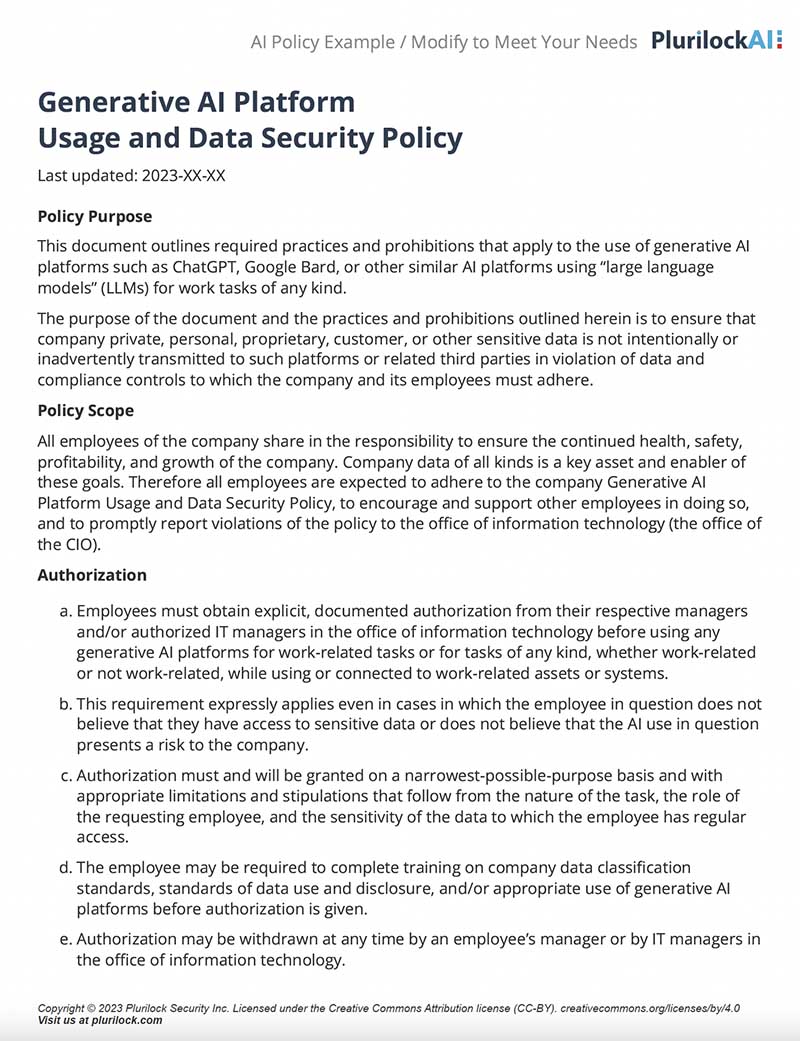
Sample Governance Policy for AI Use
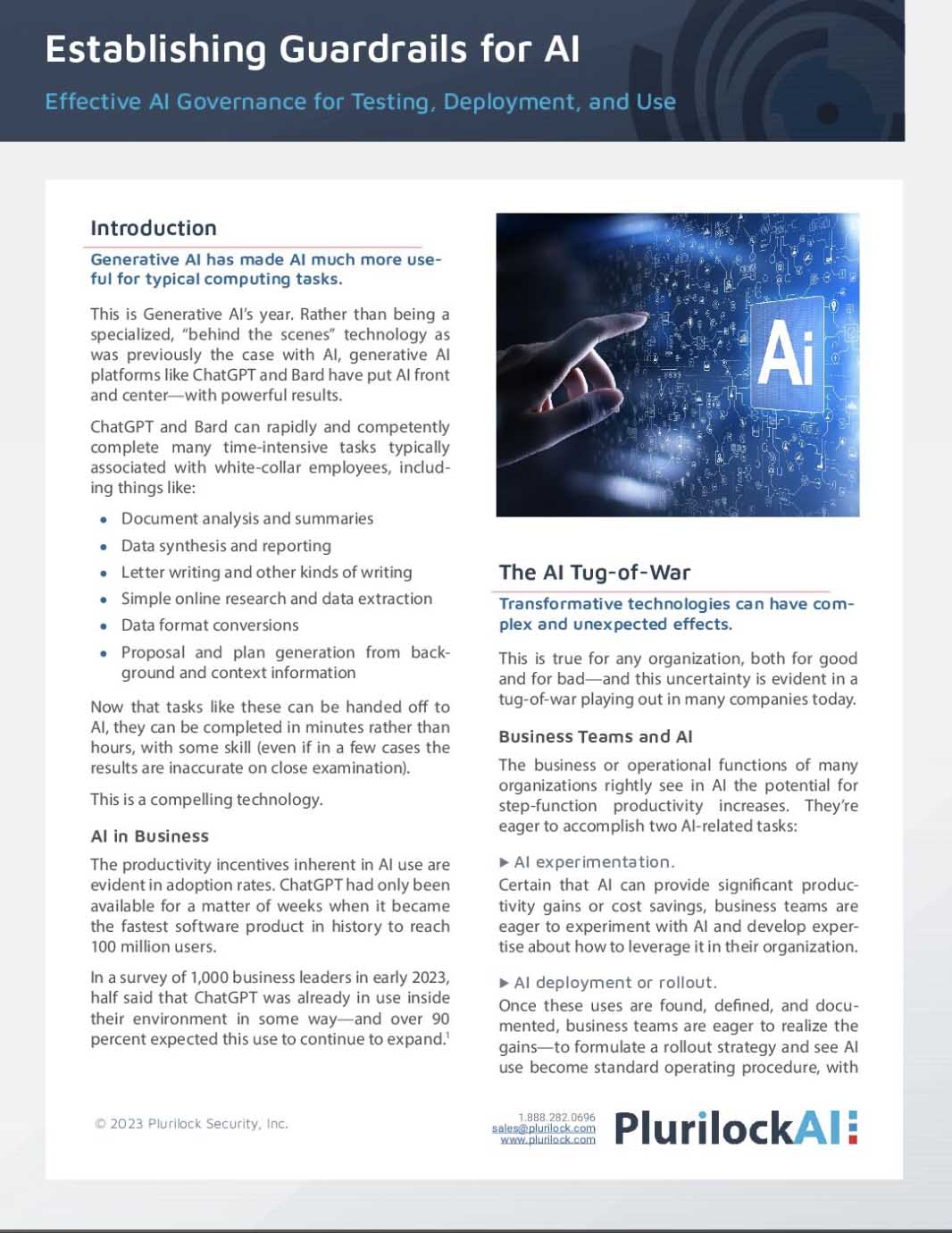
Establishing Guardrails for AI Whitepaper