Cybersecurity Reference > Glossary
What is Third-Party Risk Management (TPRM)?




Organizations today rely heavily on third-party services—cloud providers, software vendors, contractors, consultants—each of which can introduce vulnerabilities into the organization's ecosystem.
Effective programs involve conducting security assessments before engagement, establishing clear security requirements in contracts, and continuously monitoring third-party security posture throughout the relationship. This includes evaluating data handling practices, access controls, incident response capabilities, and compliance with relevant security standards. The process typically includes due diligence questionnaires, security audits, penetration testing requirements, and ongoing risk assessments. Organizations must also consider cascading risks from their vendors' own third-party relationships, sometimes called fourth-party risk.
Third-party breaches have become increasingly common attack vectors. The SolarWinds supply chain attack demonstrated how a compromised vendor can provide attackers with access to thousands of downstream customers, amplifying the impact of a single breach across entire industry sectors.
Origin
By the mid-2010s, regulatory frameworks began codifying third-party risk management requirements. GDPR imposed strict accountability for data processors, and various industry standards established vendor assessment protocols. The concept expanded from simple questionnaires to comprehensive programs encompassing continuous monitoring, contractual security requirements, and incident response coordination.
The rise of cloud computing and software-as-a-service further complicated the landscape, as organizations now depend on dozens or hundreds of third-party services, each with its own security posture and potential vulnerabilities.
Why It Matters
Regulatory pressure has increased dramatically. GDPR, CCPA, and sector-specific regulations hold organizations accountable for their vendors' security failures. A third-party breach can trigger the same compliance penalties and notification requirements as a direct breach, along with reputational damage.
The interconnected nature of modern supply chains means risks cascade. A vulnerability in a widely-used software component or service can simultaneously impact thousands of organizations. Recent supply chain attacks have demonstrated how attackers can compromise software build processes or update mechanisms to distribute malware at scale. Organizations must balance the efficiency gains from outsourcing against the complexity of securing extended ecosystems where they have limited direct control.
The Plurilock Advantage
We help establish risk-based vendor tiering programs that focus resources where they matter most, and implement continuous monitoring that detects emerging risks in existing relationships.
With expertise spanning GRC frameworks and offensive security testing, we provide realistic assessments of what third-party risks actually mean for your environment. Learn more about our GRC services and how we help organizations build practical third-party risk programs that protect against supply chain compromises.
.
Need Help Managing Third-Party Risks?
Plurilock's risk assessment services help identify and mitigate vendor security vulnerabilities.
Get Risk Assessment → Learn more →Downloadable References
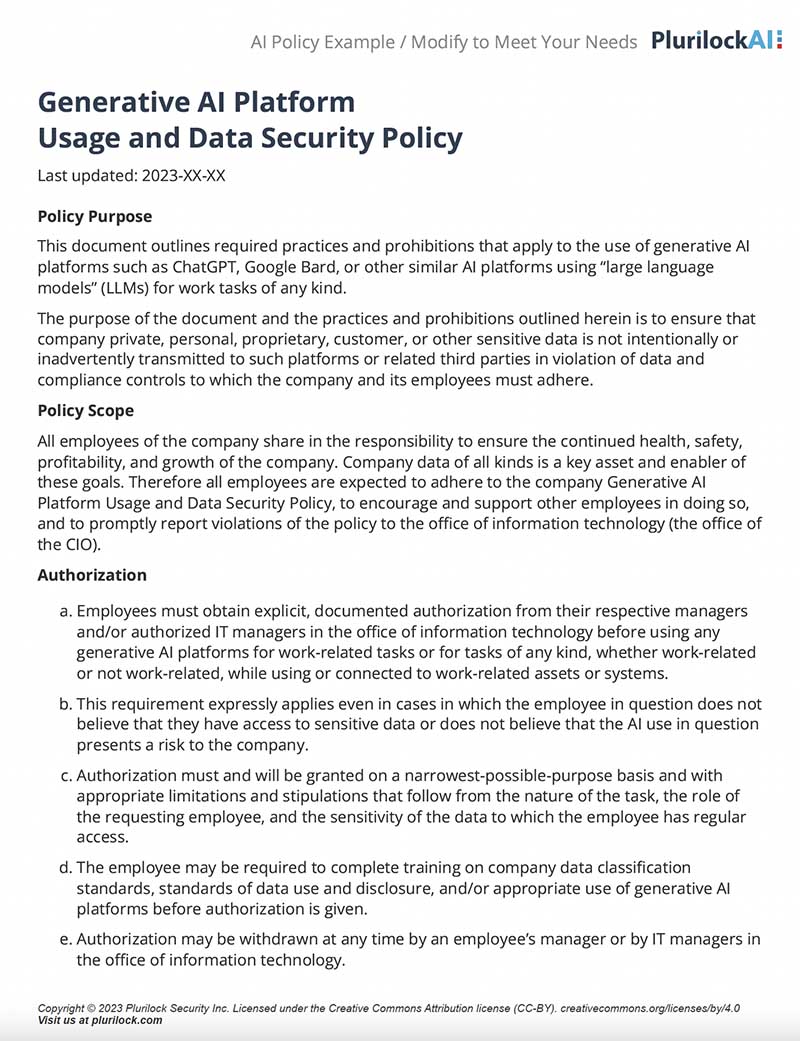
Sample Governance Policy for AI Use
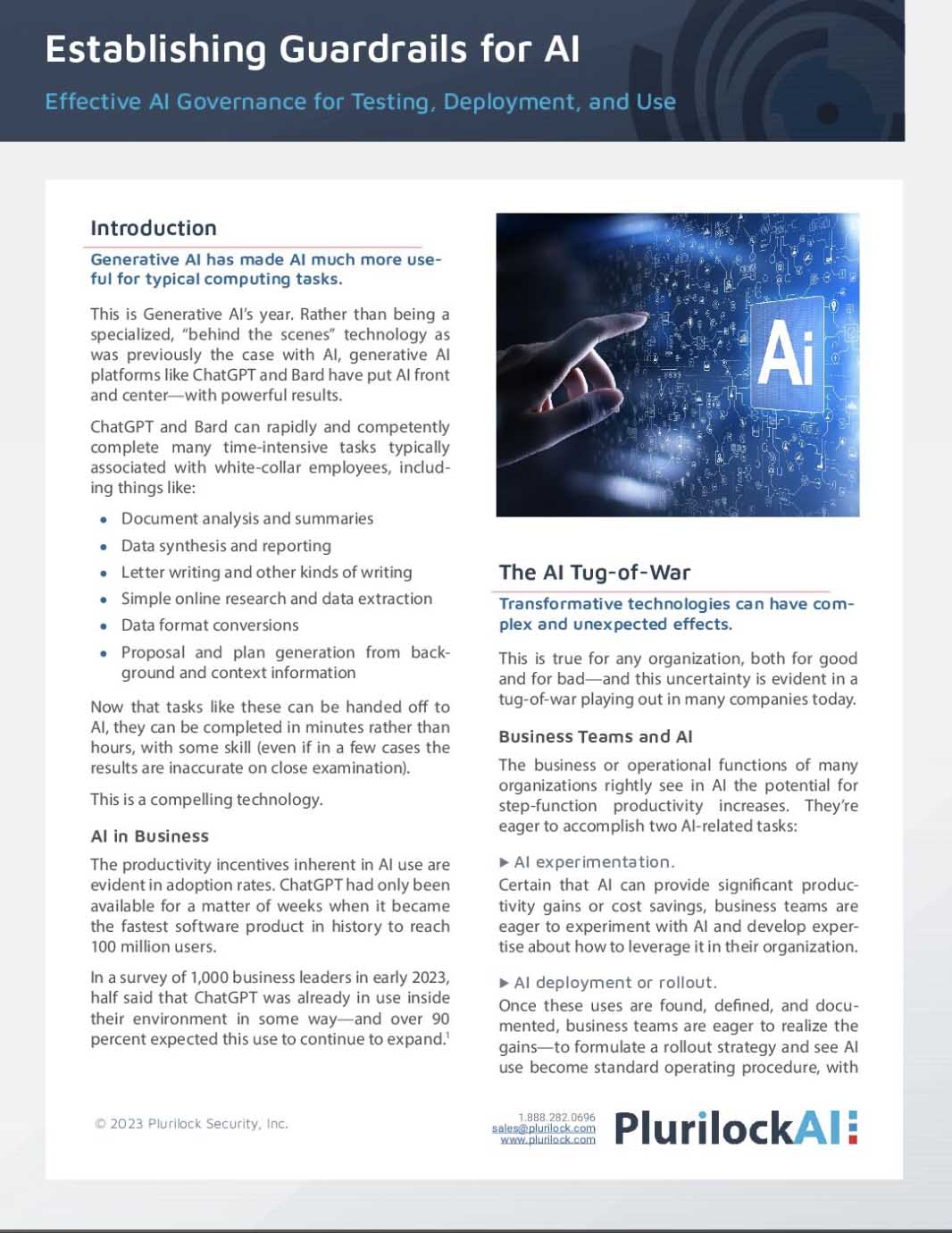
Establishing Guardrails for AI Whitepaper