User carelessness describes the everyday shortcuts and lapses in judgment that create security vulnerabilities despite an organization's best technical defenses.
It shows up when someone props open a secure door for convenience, clicks a suspicious link without thinking, or leaves their laptop unlocked while grabbing coffee. These aren't malicious acts—they're human behaviors driven by time pressure, distraction, or simple habit. The password taped under a keyboard, the credentials shared with a trusted colleague, the phishing email that looked legitimate enough to warrant a quick click—all represent moments where expedience won out over security protocols.
What makes user carelessness particularly challenging is its ubiquity and unpredictability. Unlike a software vulnerability that exists in one place and can be patched systematically, careless behavior can happen anywhere, anytime, with any user.
It doesn't require technical sophistication to exploit, which makes it attractive to attackers. A social engineer doesn't need to crack encryption—they just need someone to hold the door open or read a password aloud over the phone.
The security implications of user behavior have been understood since the earliest days of access control, but "user carelessness" emerged as a distinct concern with the rise of distributed computing in the 1980s and 1990s. When computers moved from locked rooms operated by trained specialists to desks occupied by general staff, the human element became a significant variable in security planning.
Early security frameworks focused almost entirely on technical controls—firewalls, encryption, access lists. The assumption was that if you built the right technical infrastructure, security would follow. Reality proved otherwise.
Studies in the late 1990s and early 2000s began quantifying how often security breaches resulted not from sophisticated hacking but from simple human mistakes. The infamous "password on a post-it note" became a symbol of this gap between technical capability and human behavior. As threats evolved, so did the understanding that user carelessness wasn't just about forgetfulness—it reflected poor training, inadequate security culture, and systems designed without regard for how people actually work.
User carelessness remains one of the most exploited attack vectors because it's abundant, predictable, and often invisible to technical monitoring. Phishing campaigns succeed not because email filters fail but because someone, somewhere, will click. Ransomware spreads not solely through zero-day exploits but through macro-enabled documents opened by distracted users. Physical security breaches happen when someone holds a door for a friendly stranger carrying coffee.
The shift to remote and hybrid work has amplified these risks. Home networks lack enterprise controls. Family members share devices. Video calls happen with sensitive documents visible in the background. Each of these scenarios creates opportunities that don't require advanced technical skills to exploit.
What compounds the problem is that user carelessness often doesn't leave obvious traces. Unlike a failed login attempt or a network intrusion, a password shared verbally or a document left on a printer may never appear in logs. Organizations can implement every technical control available and still remain vulnerable if their people don't consistently practice good security habits.
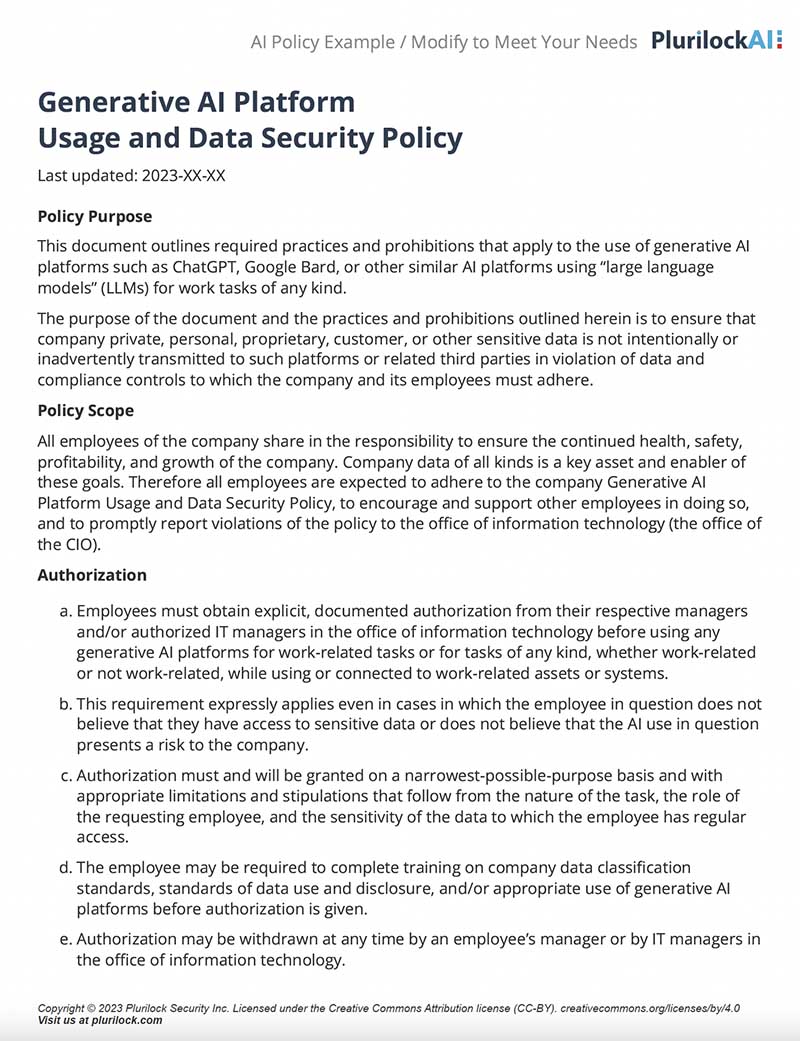
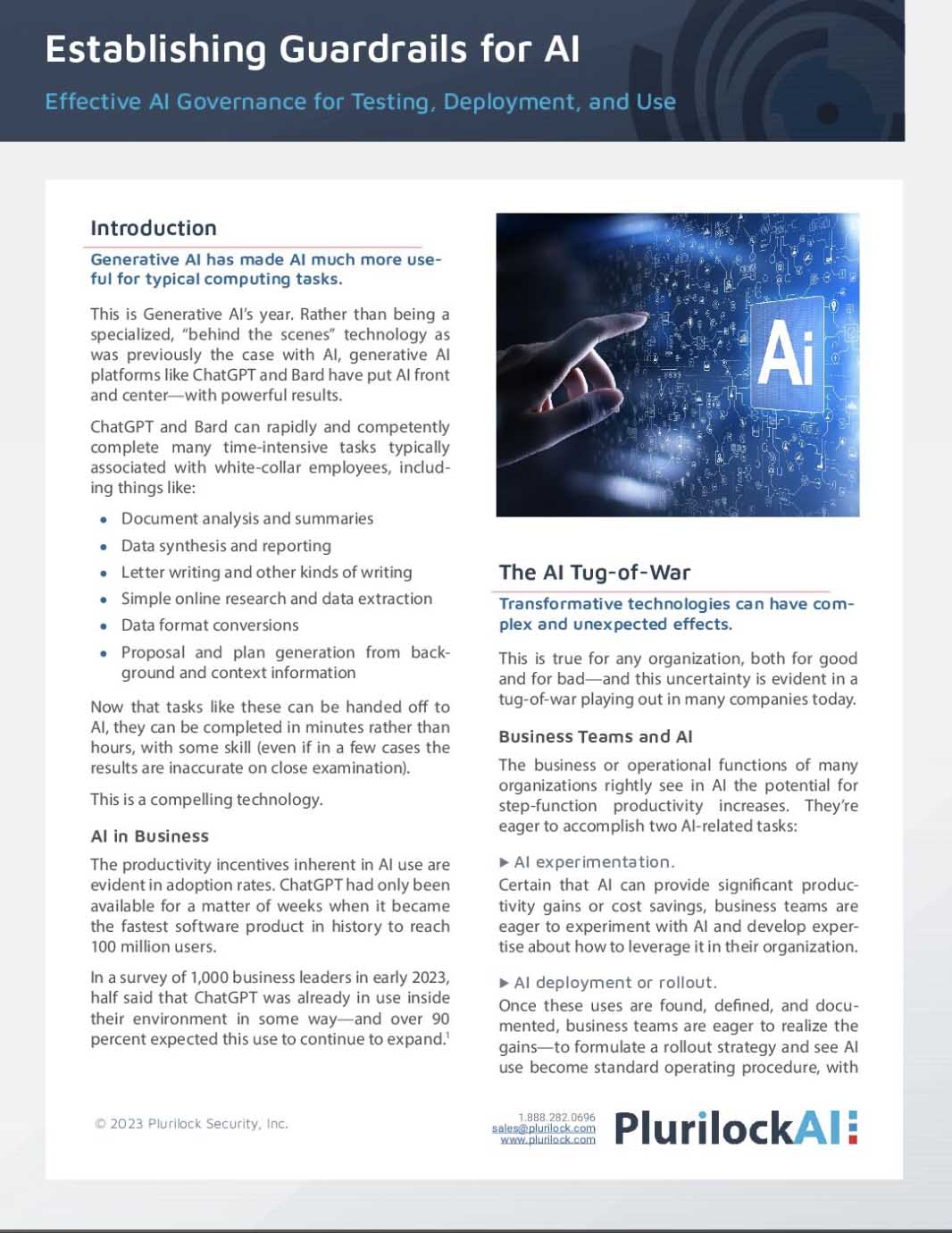
Plurilock addresses user carelessness through services that combine technical controls with practical security culture development. Our
social engineering testing services reveal exactly where human vulnerabilities exist in your organization—not through assumptions, but through real-world simulations that expose gaps in awareness and behavior.
We pair these assessments with training that actually changes habits rather than checking compliance boxes.
Our zero-trust implementations and identity management services create technical guardrails that limit the damage carelessness can cause, while our incident response capabilities help contain breaches when human error does lead to compromise.
.