
Cybersecurity Reference > Glossary
What is a Recovery Point Objective (RPO)?





Measured in time, RPO defines how much work can be lost before the impact becomes unacceptable to business operations. RPO directly influences backup frequency and data replication strategies.
For example, an organization with a 4-hour RPO must ensure that data backups occur at least every 4 hours, meaning they can accept losing up to 4 hours of work in a worst-case scenario. Mission-critical systems often require RPOs measured in minutes or even seconds, necessitating real-time data replication or continuous backup solutions.
Organizations typically establish different RPOs for different systems based on their criticality and the business impact of data loss. A customer database might have a 15-minute RPO, while a development environment might tolerate a 24-hour RPO.
RPO works in conjunction with Recovery Time Objective (RTO), which defines how quickly systems must be restored, to form the foundation of an organization's disaster recovery strategy and determine appropriate backup technologies and investment levels.
Origin
The shift from batch processing to real-time business operations created pressure for tighter RPOs. Financial services firms led the charge, demanding sub-hour RPOs for trading systems and customer accounts. The terminology itself became standardized through frameworks like ITIL and various business continuity standards in the early 2000s.
Cloud computing and virtualization technologies in the 2010s democratized sophisticated replication capabilities that were once available only to large enterprises. Today, continuous data protection technologies have made near-zero RPOs achievable even for mid-sized organizations, though the fundamental question remains the same: how much data can you afford to lose?
Why It Matters
Cloud migrations complicate RPO planning because data now exists across multiple locations and platforms, each with different replication capabilities and costs.
The economics have shifted too. Achieving a one-hour RPO used to require expensive dedicated infrastructure, but cloud-native backup services now make aggressive RPOs attainable at reasonable cost. This accessibility means organizations can no longer justify loose RPOs based solely on technical limitations. The real challenge is aligning RPOs with actual business risk and ensuring that backup strategies deliver on their promised protection when disaster strikes.
The Plurilock Advantage
We'll assess your current backup posture, identify gaps between stated RPOs and actual recovery capabilities, and implement solutions that deliver reliable protection. Our data protection as a service offering combines strategic planning with hands-on implementation, ensuring your RPOs reflect genuine business requirements rather than vendor marketing.
We work with the technologies you already have while identifying opportunities to tighten RPOs where it matters most.
.
Need Help Defining Your Recovery Objectives?
Plurilock's disaster recovery planning services can establish optimal RPO targets for your organization.
Get Recovery Planning Help → Learn more →Downloadable References
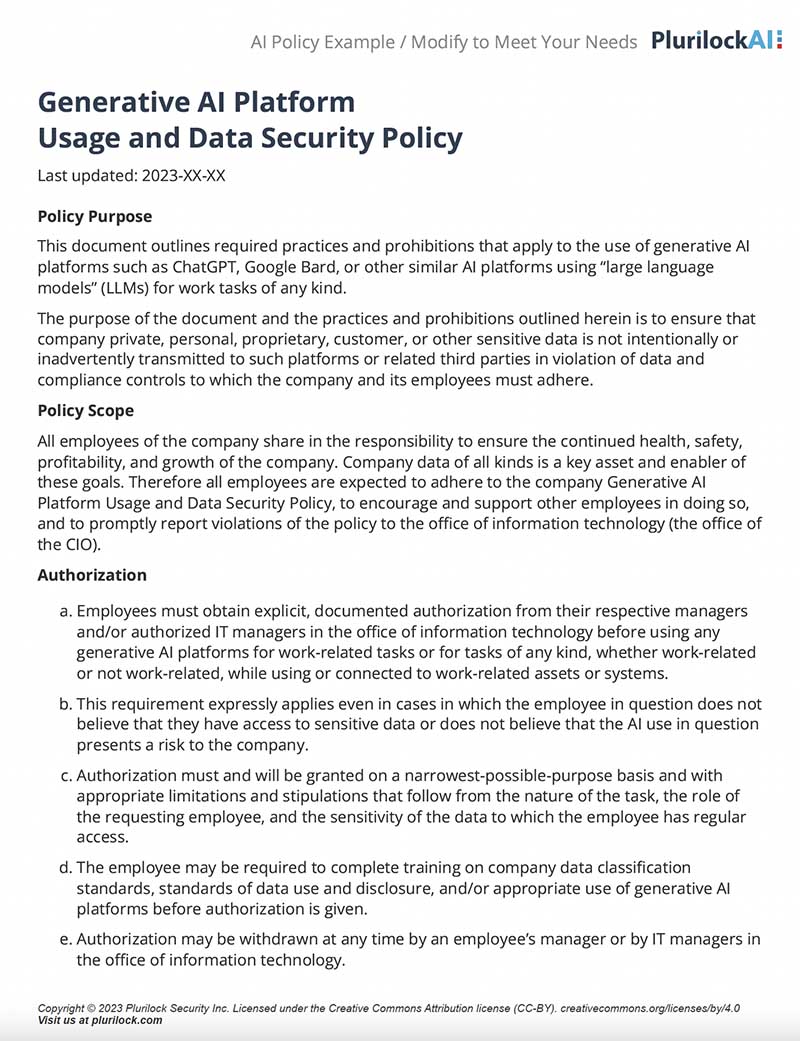
Sample Governance Policy for AI Use
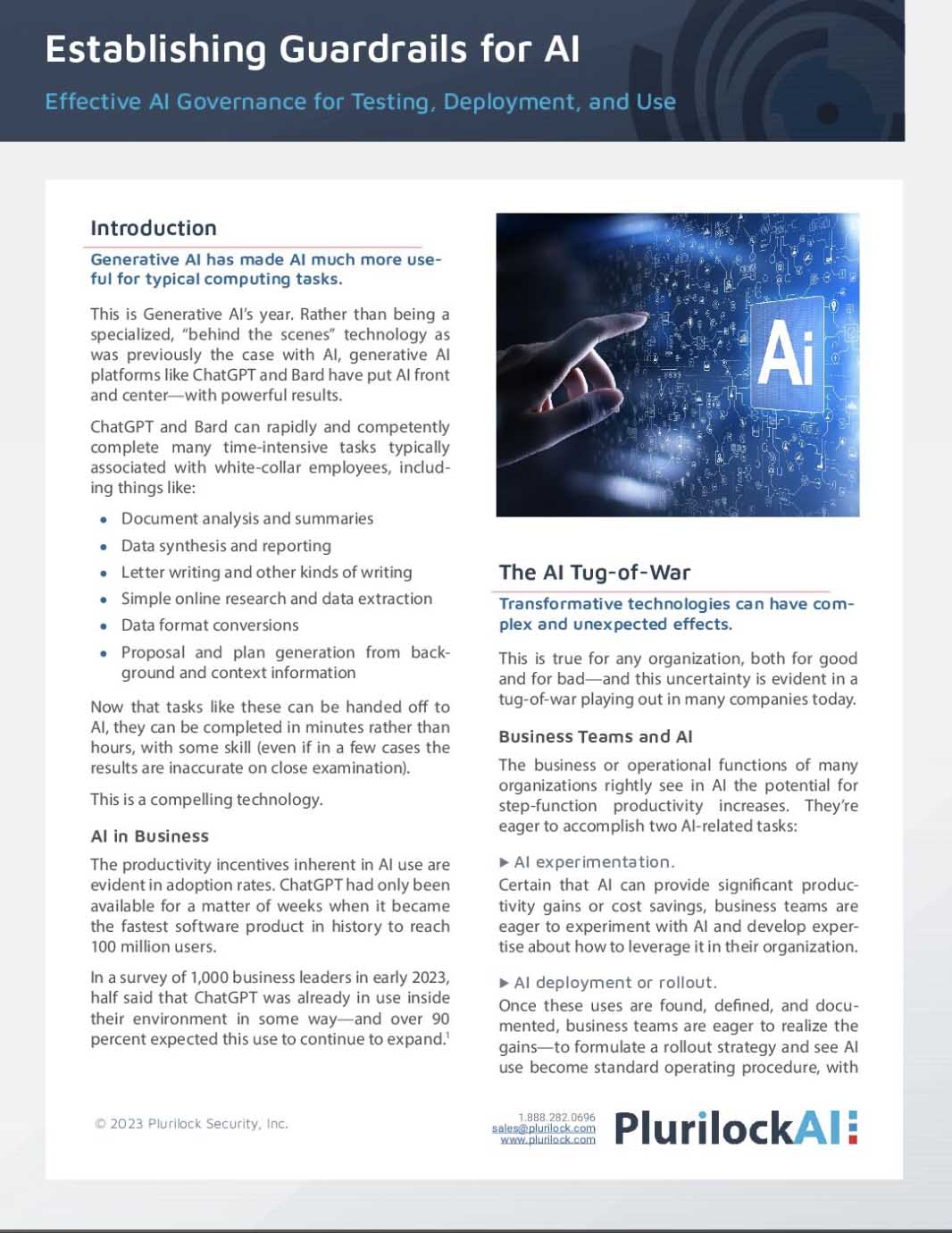
Establishing Guardrails for AI Whitepaper