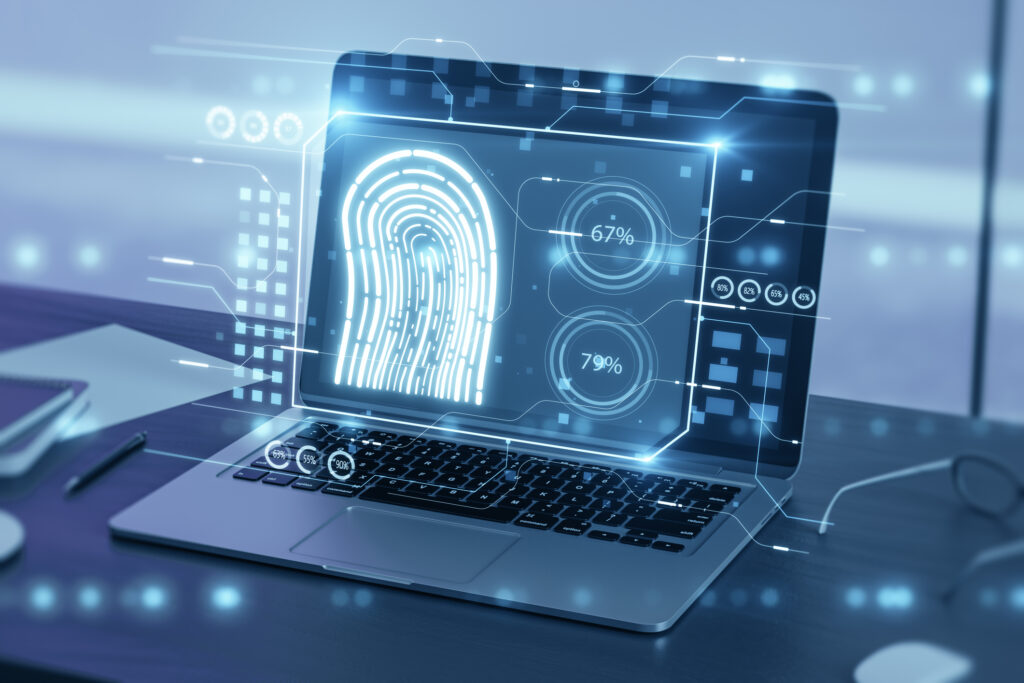
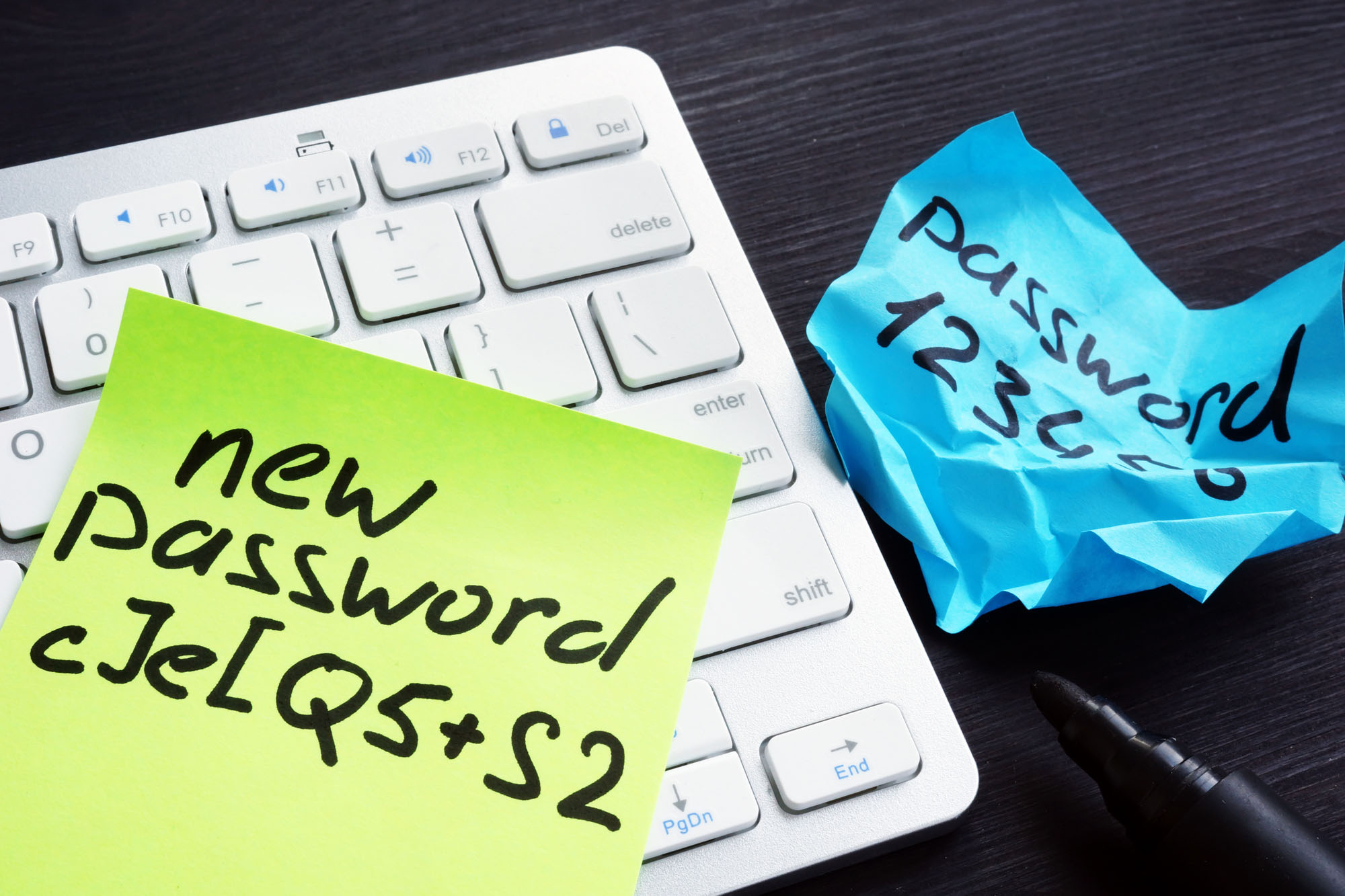
We are finally in the age of biometric authentication after decades of entrenched username-password dominance.
This is important because, as we've long known, username-password combinations are difficult to manage, difficult to remember, and yet painfully easy to intentionally share, accidentally reveal, or for a malicious actor to immediately if discovered.
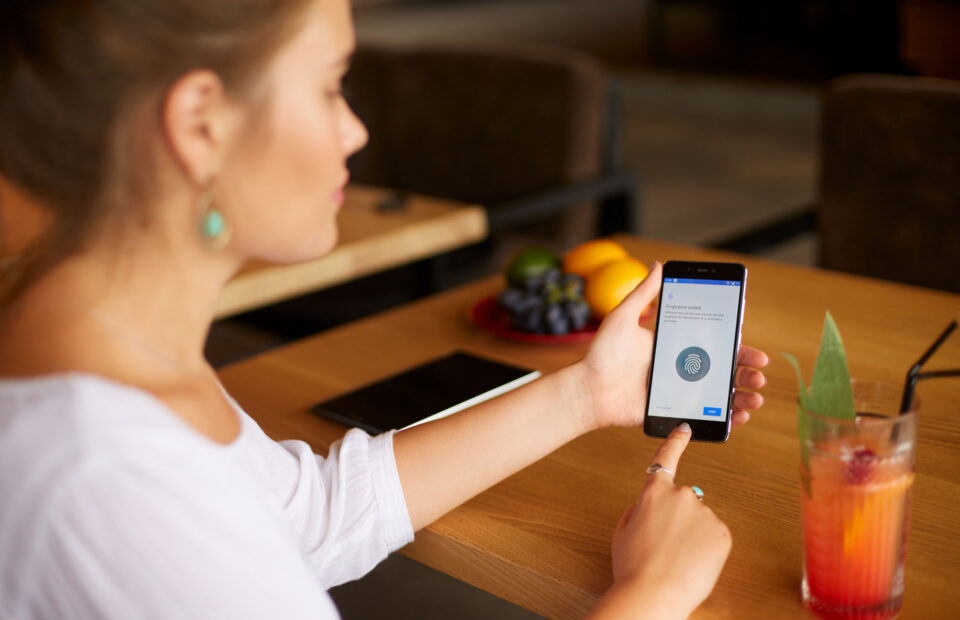
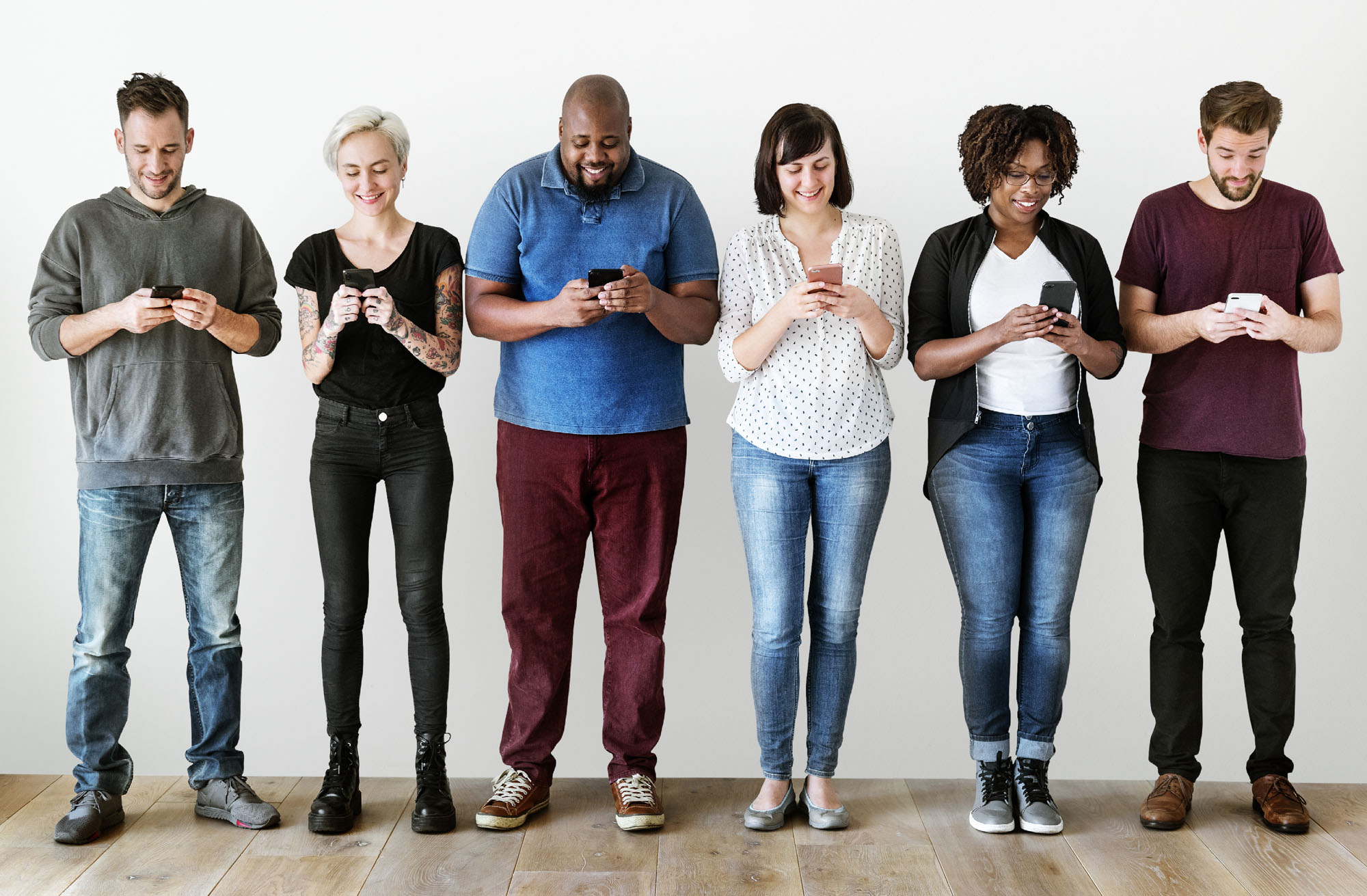
Though once biometric authentication required specialized hardware expensive enough for only large enterprises to invest in them, today biometric authentication hardware is everywhere. Most individuals have at least two forms of biometric authentication—fingerprint and face identification—with them at all times via their mobile phones.
Organizations may not realize, however, that these forms of authentication can be used for company security and authentication as well—not just personal security between user and phone. The FIDO2 standard, increasingly supported across the cloud universe, enables companies to leverage the biometrics on users phones for company authentication, in addition to or in place of passwords.
Also not yet commonly known are behavioral-biometric forms of biometric authentication. These work by observing users movement patterns as they do the things they would be doing anyway (such as their daily work), rather than requiring the user to take a concrete step like placing a finger on a fingerprint scanner.
This is important because it is a biometric-strong form of passive authentication—authentication that can happen without the user's knowledge, which makes true continuous authentication possible. With continuous behavioral-biometric authentication, a user's identity is continuously checked at all times, whenever they are (for example) typing or moving their mouse.
Organizations that haven't yet transitioned to biometric authentication via FIDO2, continuous authentication via behavioral biometrics—or both—should seriously consider doing so, as these significantly reduce the risk of account theft and unauthorized access, and can also go a long way toward reducing cyber insurance premiums.